


QUETTA, Nov 2 (Wealth Pakistan): Despite having abundant coastal resources and ideal climatic conditions, Pakistan has yet to tap its vast aquaculture potential — a sector with the capacity to reshape the nation’s economy and strengthen food security.
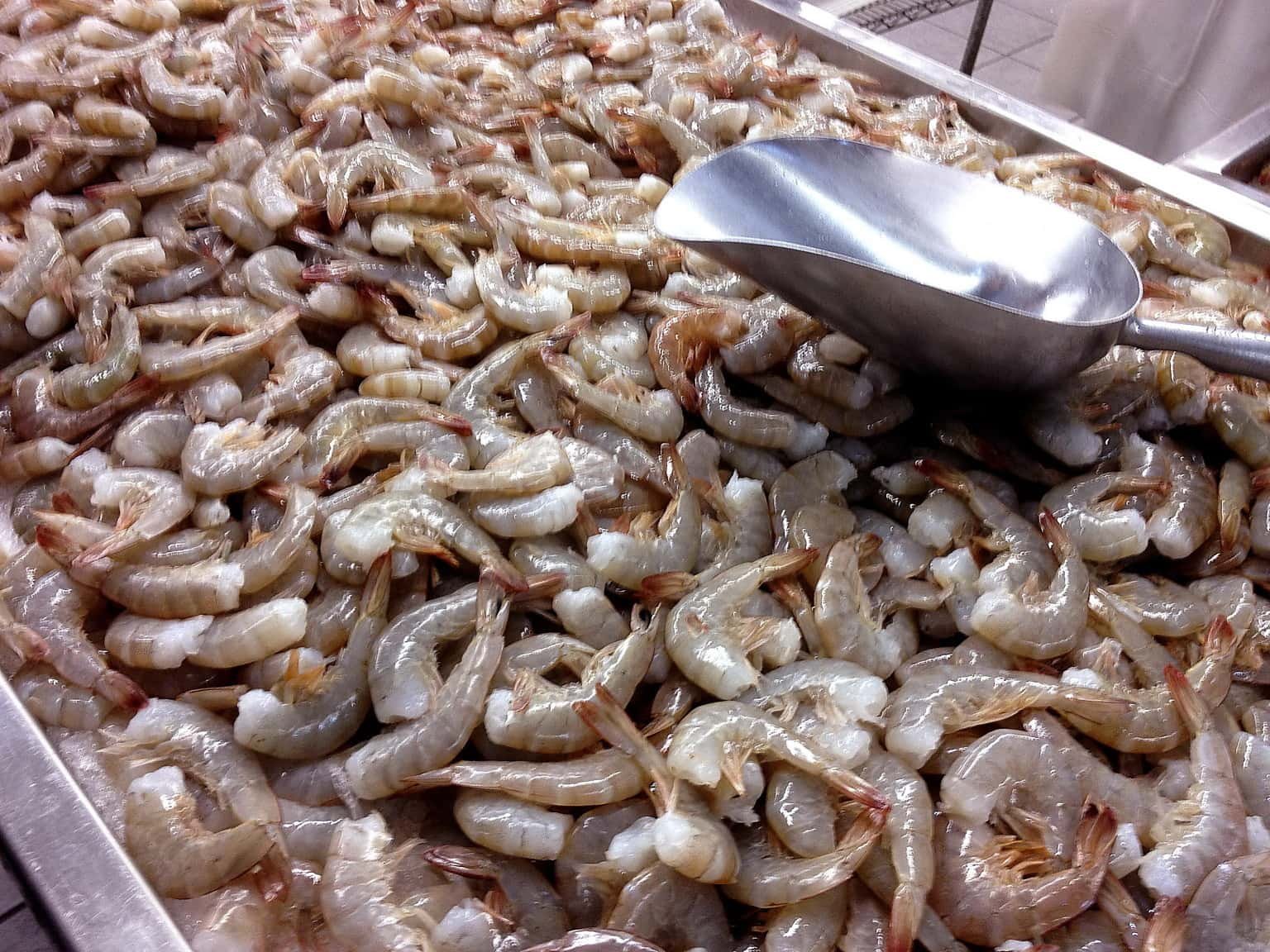
With shrimp exports currently valued at just USD 78 million compared to India’s USD 5 billion, experts believe that a strategic shift toward modern, large-scale shrimp farming could create thousands of jobs, attract investment, and position Pakistan as a regional seafood powerhouse.
Untapped Aquaculture Potential
Pakistan stands on the threshold of an aquaculture revolution. With extensive brackish water reserves, millions of acres of saline land, and rising global demand for seafood, the country has all the ingredients to make shrimp farming a major contributor to economic growth, employment, and exports.
Yet, despite these natural advantages, the sector remains underdeveloped and largely neglected in national economic planning.
For decades, agricultural policy has focused on traditional crops such as wheat, cotton, and sugarcane — commodities that once sustained the economy but now face challenges due to shrinking water resources and declining productivity.
Experts argue that it is time for a policy shift toward high-value, non-traditional sectors such as aquaculture and marine farming.
Balochistan Taking the Lead
That transition is beginning to take shape in Balochistan. According to Qaim Lashari, CEO of the Balochistan Board of Investment and Trade (BBoIT), shrimp farming in the province could transform the fisheries industry and generate up to 1,000 direct jobs, with more opportunities expected across the value chain.
“This initiative can uplift coastal livelihoods, boost seafood exports, attract private investment, and establish a resilient aquaculture ecosystem,” Lashari told Wealth Pakistan.
Public-Private Partnership Model
The project will be developed under a Public-Private Partnership (PPP) model by a consortium of national enterprises, including House of Kasib, Al-Karam Textile, Dhabeji Aqua Foods, Swat Ceramics, and Tufail Group.
Under the proposed structure, the private partner, Paravite, will finance, design, build, and operate the shrimp farm and processing facilities, while the Government of Balochistan will provide land, utilities, and policy facilitation.
The preliminary revenue-sharing arrangement allocates 80 percent of earnings to the private partner and 20 percent to the provincial government, with final details to be determined following a feasibility study.
Construction and mobilization are expected to take around 20 months before the first shrimp stocking begins.
Importantly, all project assets will revert to the government at the end of the concession period, ensuring long-term public benefit and sustainable growth.
A Step Toward the Blue Economy
Lashari noted that the initiative aligns with Balochistan’s broader blue economy vision, which aims to harness marine and coastal resources for sustainable development.
“If supported by reliable power, effective policy frameworks, and strong biosecurity standards, this model can be replicated across the province — positioning Balochistan as a key player in Pakistan’s emerging aquaculture sector,” he added.
With a favorable investment environment, technological innovation, and targeted government support, experts believe shrimp farming could finally unlock Pakistan’s dormant aquaculture potential — turning its coastal and saline lands into engines of economic growth, food security, and export diversification.