

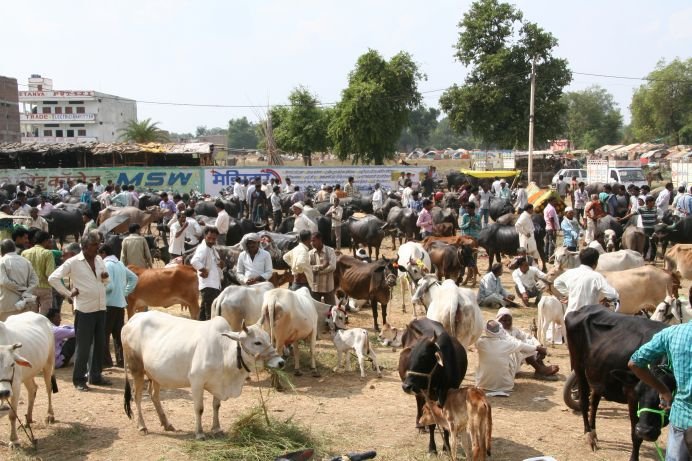

ISLAMABAD, Nov 4 (Wealth Pakistan) — Pakistan’s livestock markets moved rapidly toward digitalisation during the fiscal year 2024-25. The State Bank of Pakistan’s Eid-ul-Azha Digital Acceptance Initiative reported an exceptional rise in cashless transactions, marking a breakthrough for rural financial inclusion.
Digital payments surge across Eid markets
The Annual Payment Systems Review FY2024-25 by the State Bank of Pakistan (SBP) shows that 64,553 electronic transactions worth PKR 4.66 billion were completed at 54 cattle markets nationwide. This represents a 396 percent increase in the number of transactions and a remarkable 731 percent jump in value compared with the previous year.
The initiative was launched jointly by SBP’s Banking Services Corporation and commercial banks to promote cashless payments in one of the country’s most informal but high-value sectors.
Support facilities and mobile connectivity
To make the process smooth, banks established digital booths, mobile vans, and help desks in livestock markets. These teams helped farmers and traders open accounts, verify biometrics, and generate QR codes on the spot. Connectivity vans provided reliable internet access in remote locations.
During the festival period, transaction and balance limits were temporarily raised to PKR 5 million to enable large-value animal purchases. A total of 24 banks — 50 percent more than last year — joined the initiative. Their staff worked in rotational shifts, ensuring round-the-clock service for digital buyers and sellers.
Inclusion through digital access
SBP officials said the programme went beyond payments. It brought thousands of unbanked participants into the formal financial system. The campaign also involved ancillary workers — fodder suppliers, transporters, and veterinary staff — encouraging them to receive payments digitally. Each market was connected with nearby bank branches to support account maintenance and cash-to-digital conversion.
Economists noted that the 731 percent rise in value highlights Pakistanis’ growing trust in digital payments even in rural, cash-oriented areas. They added that cashless transactions lower theft risk, improve transparency, and help document the livestock sector, which contributes more than 10 percent to GDP.
Expansion planned under Raast network
Encouraged by the initiative’s success, the State Bank plans to expand it nationwide next fiscal year. More districts will be added, and merchant onboarding will be automated through Raast’s Person-to-Merchant (P2M) module.
The review concludes that Pakistan’s cashless Eid markets demonstrate the country’s readiness to extend digital finance beyond cities. It also confirms progress toward a transparent and inclusive cash-lite economy.