


ISLAMABAD, Nov 19 (Wealth Pakistan) – China’s forthcoming five-year plan for 2026–2030 places a strong emphasis on regional connectivity, secure supply chains and resilient infrastructure. For Pakistan, this focus strengthens the long-term centrality of CPEC in Beijing’s regional vision and opens new opportunities to expand trade, logistics and digital links across South and Central Asia.
China shifts toward innovation-driven connectivity
In an interview with Wealth Pakistan, Dr Hassan Daud Butt, former CPEC project director and senior adviser at the China Study Centre and Energy China Pakistan, said China continues to anchor its global strategy in the Belt and Road Initiative.
He noted that CPEC remains essential because it offers a fast, cost-effective and time-efficient trade route to global markets. However, China’s development model is now expanding beyond roads and power plants.
According to him, China is moving toward integrated ecosystems that combine logistics, innovation and technology. He said Pakistan should treat this shift as an opportunity to reposition itself through innovation-based connectivity.
Gwadar needs efficiency improvements to achieve full potential
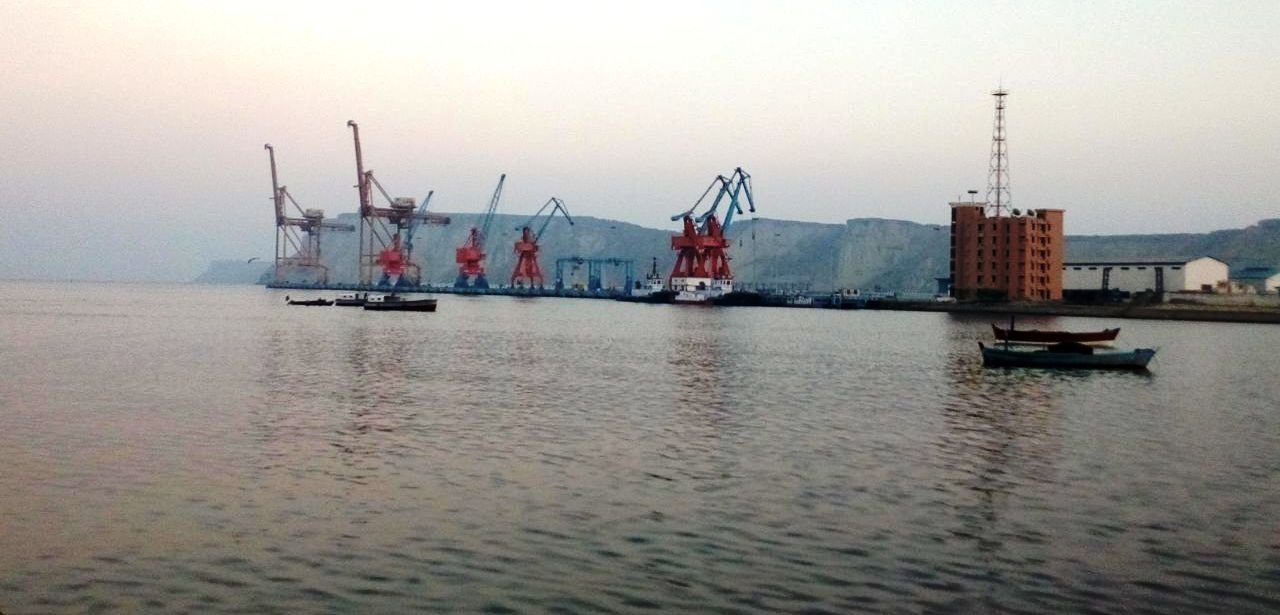
Dr Butt explained that Gwadar Port is transitioning from a traditional deep-sea port into a wider economic hub. However, Pakistan must overcome administrative and structural challenges to unlock this transformation.
He added that targeted Chinese investments in automated cargo handling, modern warehousing and cold-storage systems can greatly improve operational efficiency. With smoother processes and better infrastructure, Gwadar can become a competitive transit corridor for regional and global logistics operators.
A coordinated, technology-driven approach, he said, will position the port as a major gateway for South Asia, Central Asia and the Middle East.
Pakistan can attract relocating Chinese industries
According to Dr Butt, Pakistan can absorb industries that China is gradually moving beyond. These include textiles, electronics, light engineering and consumer manufacturing.
He said Pakistan offers lower labour and land costs, which can attract such industries if the country improves the ease of doing business. He added that Pakistan should also revive targeted investment frameworks similar to those used successfully in 2013.
Governance reforms needed for sustained progress
Dr Butt acknowledged improvements in governance and coordination, particularly through the Special Investment Facilitation Council. He said the council has helped accelerate decision-making and improved investor confidence.
However, he stressed that long-term progress requires continued reforms. These include strengthening vocational training systems, improving the technical quality of the National Vocational and Technical Training Commission and enabling the Higher Education Commission to promote research aligned with emerging industries.
He emphasised that Pakistan must move beyond statements and adopt measurable reforms that translate into industrial change.
CPEC’s next phase aligns with China’s 2026–2030 connectivity plan
Meanwhile, Jamshed Ahmed, Investment and Industrial Specialist for CPEC at the Ministry of Planning, Development and Special Initiatives, told Wealth Pakistan that both countries are aligning CPEC with Pakistan’s development priorities under URAAN Pakistan.
He said the second phase of CPEC will focus on five corridors: Growth, Innovation, Green Development, Livelihood and Opening-Up/Regional Connectivity. According to him, the Regional Connectivity Corridor is fully aligned with China’s 2026–2030 connectivity strategy.
Multimodal connectivity to boost regional trade
Ahmed said the government is working on a multimodal initiative covering rail, road, sea and air links. The aim is to strengthen transportation routes for Pakistan’s landlocked neighbours, especially the Central Asian Republics. This approach will create shorter and more efficient trade corridors.
He added that Pakistan and China are also working jointly on developing special economic zones. Rashakai SEZ, being developed by a Chinese enterprise, is one example. Both sides are planning new model zones that will allow Pakistan to replicate modern development practices across future projects.