


ISLAMABAD, Nov 3 (Wealth Pakistan) – Pakistan’s shift toward a cash-lite economy gained unprecedented speed in fiscal year 2024-25 as digital retail payments expanded across all channels.
Record surge in digital transactions
According to the Annual Payment Systems Review FY2024-25 issued by the State Bank of Pakistan (SBP), the country processed 9.1 billion retail transactions worth PKR 612 trillion. This marked a 38 percent rise in volume and a 12 percent increase in value compared with the previous year. For the first time, 88 percent of all retail payments were executed through digital platforms such as ATMs, POS terminals, internet portals, and mobile-banking apps. Only 12 percent of transactions were carried out at over-the-counter points or agent outlets.
The SBP attributed this milestone to the growing use of smartphones, the expansion of fintech services, and continued policy incentives for banks to broaden digital access.
Expanding national payment infrastructure
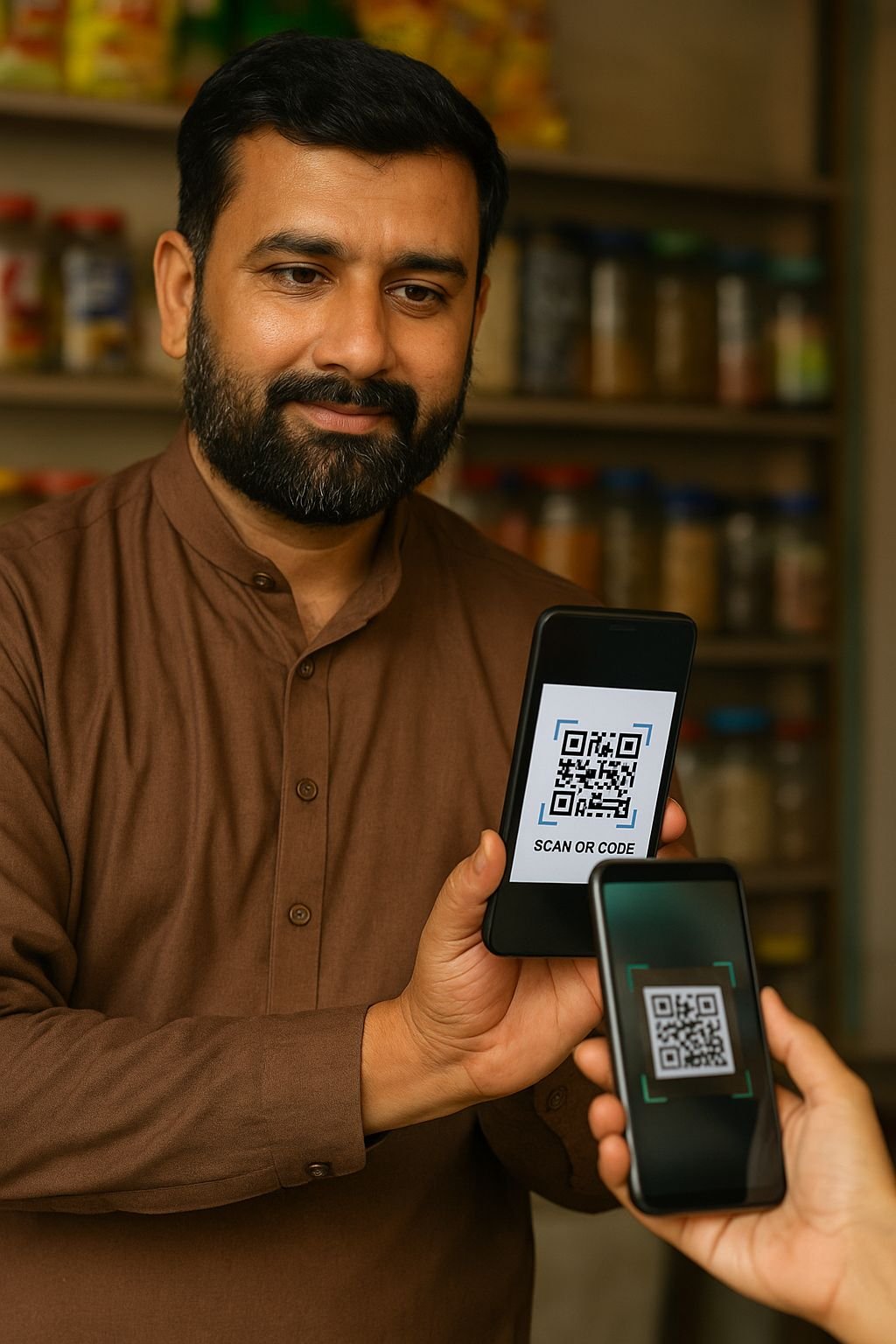
Pakistan’s payment infrastructure continued to grow rapidly. The number of ATMs rose from 18,957 to 20,341, while cash-deposit machines nearly doubled to 1,038. POS terminals recorded a 56 percent increase to reach 195,849, and QR-enabled merchants crossed 1.09 million. The central bank noted that soft-POS, or smartphone-based acceptance, was the main factor driving this expansion by allowing small merchants to go cashless without investing in costly hardware.
Growing adoption of mobile and internet banking
The report also highlighted strong growth in customer adoption. Mobile-banking users reached 24.1 million, internet-banking users 14.9 million, and branchless-banking app users 79.2 million. Electronic-money wallets expanded from 3.7 million to 5.8 million.
Electronic-money institutions processed PKR 471 billion worth of transactions, almost double the previous year’s level. Their share in total digital payment value rose to 29 percent from 21 percent in FY2023-24, reflecting their growing role in retail finance.
Part of Digital Pakistan Vision 2028
The SBP underlined that this rapid digitalisation supports the Digital Pakistan Vision 2028, which aims to formalise the economy, deepen financial inclusion, and reduce dependence on cash. Digital payments also help create transparent business records and audit trails that can widen the national tax base.
Economists observe that the FY2024-25 performance reflects the positive network effects of earlier regulatory reforms such as the Raast instant payment system, EMI licensing, and new clearing mechanisms.
Inclusion through low-value digital payments
The digital wave is also helping to bridge the urban–rural divide. Low-value transfers through mobile and wallet accounts grew faster than high-value transactions. Agents in far-flung districts increasingly handled domestic remittances and small bill payments through branchless channels, bringing previously unbanked citizens into the formal financial network.
Outlook for FY2025-26
With digital infrastructure now covering almost all districts, the SBP expects electronic transactions to maintain double-digit growth during FY2025-26. The central bank said sustained fintech innovation, customer awareness programmes, and strong cybersecurity measures will be essential to preserve public trust as Pakistan moves into the next phase of its digital-finance transformation.