

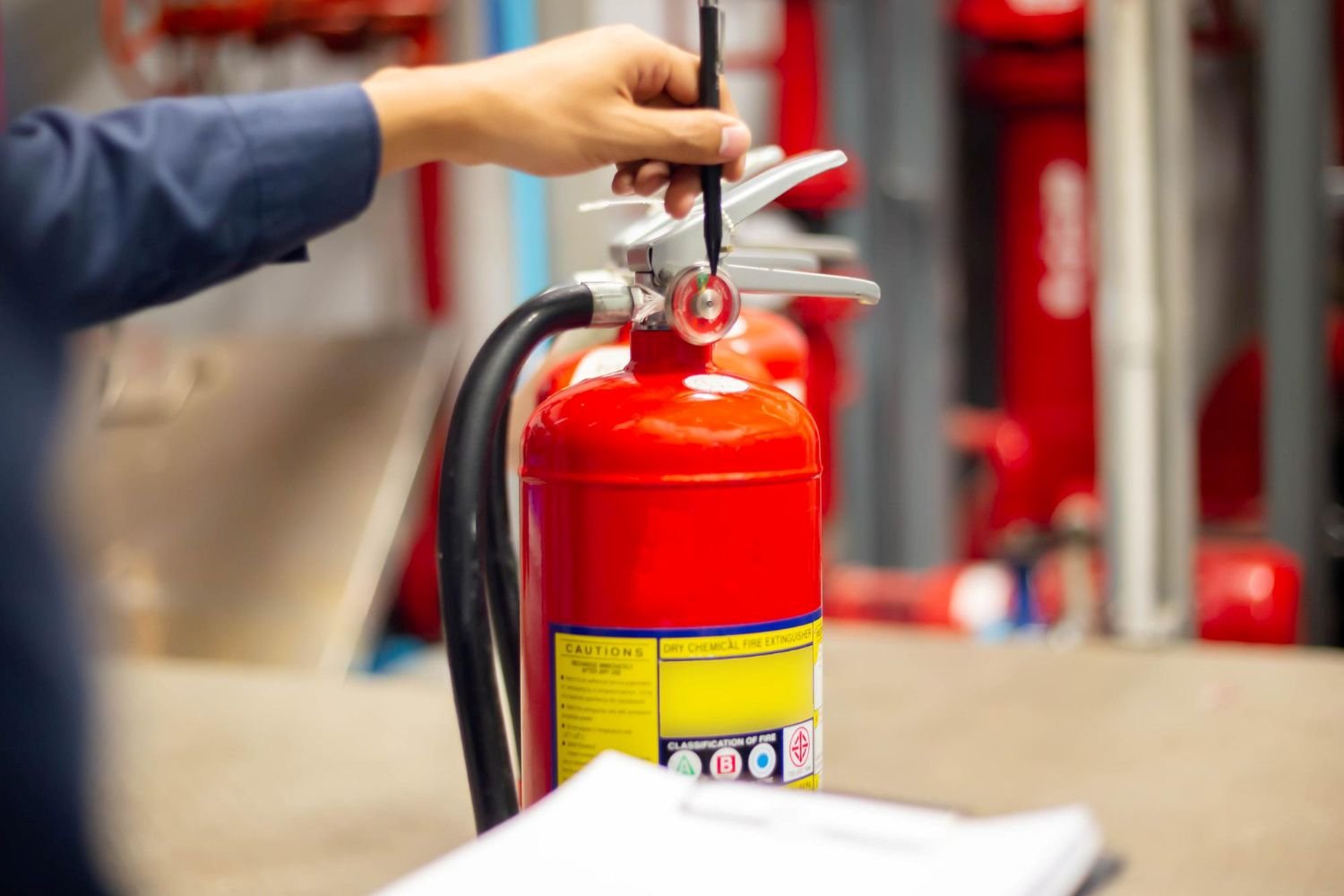

ISLAMABAD, Nov 19 (Wealth Pakistan): The Federal Board of Revenue (FBR) and the Export Processing Zones Authority (EPZA) have launched a joint effort to improve fire safety at the Export Processing Zone (EPZ) Karachi. They took this step after a fire incident exposed serious gaps in the zone’s safety systems. According to a document available with Wealth Pakistan, the two authorities are now working together to ensure that all units install and maintain fully functional firefighting systems.
Joint action after the fire incident
The fire incident raised major concerns about the zone’s readiness to handle emergencies. Because of this, both sides agreed to strengthen fire safety standards. The EPZA Rules 1981 make safety a shared duty of the Authority and the enterprises. Rule 15 clearly says that both must protect workers, buildings, equipment and goods. Therefore, FBR and EPZA began a coordinated effort to address the weak points in the firefighting systems.
Inspection drive and compliance checks
Soon after the incident, both organizations launched a series of joint inspections in mid-2025. These inspections focused on checking each unit’s firefighting equipment, its condition and its ability to handle emergencies. The teams also checked compliance with the Customs Rules 2001, especially Rule 343, which deals with firefighting arrangements in EPZ units. Because of these inspections, 27 units now have fully operational firefighting systems. Meanwhile, the remaining units are installing their systems under EPZA’s supervision to meet the required safety standards.
Role of Customs officials in the inspection plan
In June 2025, Customs issued a formal letter that created a special team of officials for the inspection work. This team included Deputy Collectors, Superintendents and inspectors. They visited each unit, checked installed systems and guided the units on the required safety measures. Their involvement also helped speed up the inspection process, and it improved coordination between Customs and EPZA.
Approved vendors and supply of firefighting equipment
To make the process smoother, EPZA approved a list of qualified vendors who can supply firefighting equipment to investors. These vendors met the required quality standards and were cleared to install or upgrade fire safety systems in the units. In addition, EPZA worked closely with these vendors to ensure that the equipment matched the standards set under the rules.
Awareness sessions for stakeholders
EPZA also arranged awareness sessions in August 2025 for zone investors and stakeholders. These sessions helped explain fire safety procedures, evacuation steps and emergency response rules. As a result, more investors became aware of their responsibilities and the steps needed to ensure safety in their units.
Ongoing safety work across all units
Although 27 units now have working firefighting systems, the rest of the units are still in various stages of installation. EPZA is supervising this process to make sure all units complete their safety setups as soon as possible. Since the zone has a large number of industrial units, this process will take time. However, the improvements made so far show steady progress. Once completed, these upgrades will likely reduce the risk of major fire incidents in the future.
Long-term safety plans and regular inspections
FBR and EPZA are also developing long-term plans to maintain safety standards. These plans include regular inspections, proper maintenance of equipment and refresher sessions for workers and investors. In addition, both organizations plan to strengthen coordination to solve safety-related problems more quickly. Through these long-term steps, they hope to create a safer working environment for all industries operating in EPZ Karachi.
Broader impact on Pakistan’s industrial zones
The cooperation between FBR and EPZA highlights the importance of safety in industrial areas across Pakistan. EPZ Karachi is one of the country’s key economic hubs, and safer working conditions will help protect workers, goods and infrastructure. Moreover, stronger safety measures can also build investor confidence and improve the overall operational performance of the zone.