


By Qudsia Bano
ISLAMABAD, Oct 18 (Wealth Pakistan) – More than four million Pakistanis have been displaced across 70 districts following the 2025 floods that devastated homes, villages, and livelihoods nationwide, according to a preliminary damage report issued by the Ministry of Planning, Development and Special Initiatives.
The report revealed that 229,763 houses were destroyed or damaged, causing housing-sector losses of around Rs 92 billion. Punjab accounted for over 92 percent of these damages — about 213,097 homes — followed by scattered losses in Sindh, Khyber Pakhtunkhwa, Balochistan, Gilgit-Baltistan, and Azad Jammu and Kashmir.
Massive housing losses across provinces
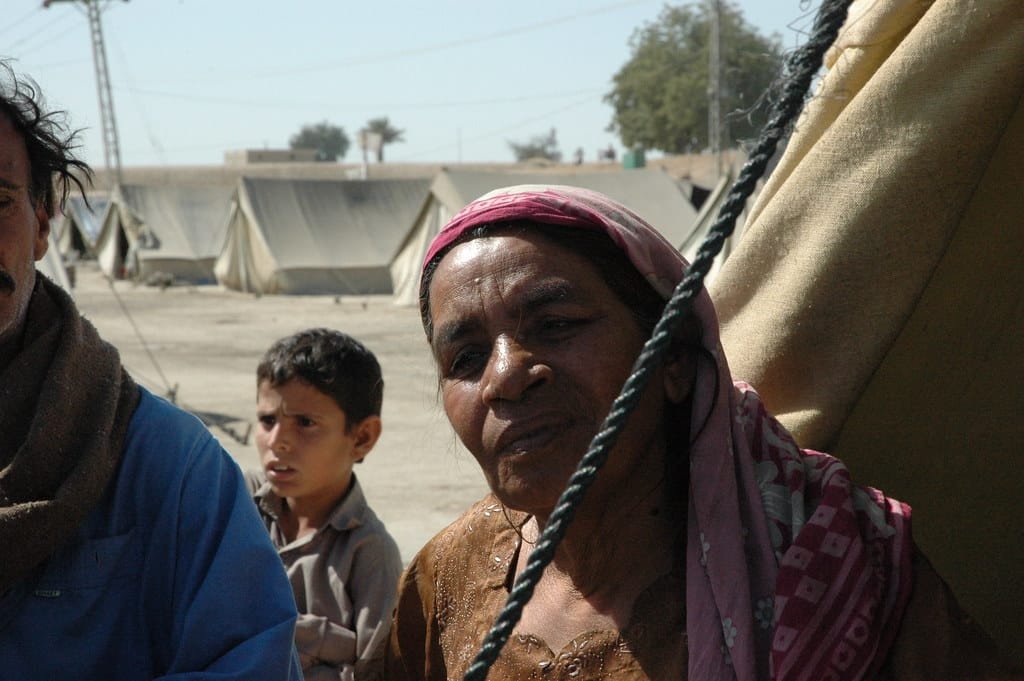
“Given the magnitude of destruction, rehabilitation and reconstruction may take up to a decade, especially in remote or severely affected areas,” the report warned. Thousands of families remain in makeshift shelters or open spaces with little access to safe water, sanitation, or health care.
The humanitarian crisis deepened as 22,841 livestock perished and cropland, roads, and bridges were damaged. Rural communities reliant on small-scale farming and livestock rearing have lost their primary sources of income.
The report recorded 1,039 deaths and 1,067 injuries, reflecting the floods’ severe human toll.
Punjab worst affected; Sindh and KP also hit hard
Provincial assessments paint a grim picture. In Punjab, over 160,000 houses were partially damaged and nearly 50,000 completely destroyed. In Khyber Pakhtunkhwa, hundreds of settlements along river belts were inundated, while in Sindh, rising waters submerged low-lying villages for weeks. Many displaced families have yet to return home as standing water persists.
From relief to long-term reconstruction
The Planning Ministry stressed that the focus must shift from emergency relief to sustainable community rebuilding.
“Recovery will require coordinated planning, sustained financial investment, and multi-sectoral support to restore housing and rebuild resilient communities,” it said.
Experts quoted in the report called for disaster-resilient housing designs, improved drainage systems, and affordable financing for reconstruction. They cautioned that rebuilding with traditional materials would repeat the same vulnerabilities exposed by the 2025 floods.
Verification and donor coordination
The National Disaster Management Authority and provincial agencies have begun verifying damages to prioritise support for the most vulnerable — including widows, landless farmers, and persons with disabilities.
Authorities are also engaging donors and NGOs to design a Flood Recovery Framework that links housing grants with local job creation through brick-making, carpentry, and small-scale construction.
Long-term displacement raises urbanisation risk
The report warned that prolonged displacement could trigger urban migration, growth of informal settlements, and pressure on city services. Without rapid rural-housing recovery, many families may permanently leave their ancestral villages, fuelling unplanned urban expansion.
It concluded that Pakistan’s future disaster-management strategy must integrate housing reconstruction with climate-adaptation and poverty-reduction goals.
“Every house rebuilt with resilience becomes a shield against the next calamity,” the ministry stated.