


LAHORE, Oct 29 (Wealth Pakistan) – Pakistan’s carpet industry is facing growing material shortages after the closure of the Torkham border disrupted supply chains and delayed shipments from Afghanistan, leaving manufacturers struggling to maintain production schedules.
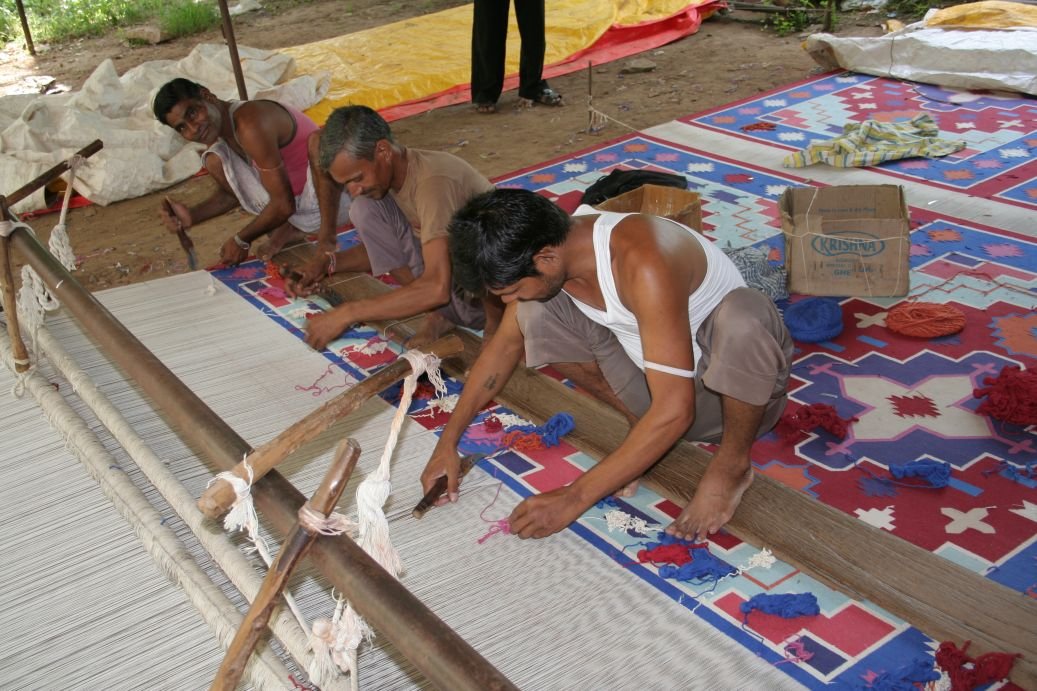
Different styles of handmade carpets arrive from Afghanistan in semi-finished form and are given final touches in Pakistan before export. Pakistani exporters, directly connected with Afghan traders and producers, are finding it difficult to secure essential materials needed to fulfill existing international orders.
Exporters warned that if the situation at the Torkham border remains tense, they could start losing export contracts within a few weeks.
Exporters voice concern
Talking to Wealth Pakistan, Malik Abdul Latif, Patron-in-Chief of the Pakistan Carpet Manufacturers and Exporters Association, said that if the current disruption continues indefinitely, it could be damaging because certain goods will stop arriving altogether. Some products, including Khurjin and Sultani-design carpets, come exclusively from Afghanistan.
He added that every country has its own culture, design, and tradition, while Pakistan’s own patterns such as Mohri, Jaaldar, and Sutri are unique in their craftsmanship. Afghan customers, when they visit Pakistan, find a full range of materials in one place, whereas foreign buyers often avoid Afghanistan due to security and banking constraints.
Latif said only shipments routed to Turkey through Iran are currently feasible. Sending containers directly from Afghanistan to the United States or Europe is difficult due to longer transit times and higher shipping costs. Both Pakistan and Afghanistan, he noted, are deeply interconnected, and the situation should improve in the days ahead.
National interest and local resilience
Emphasizing the national perspective, he said Pakistan’s security and integrity come first. Trade is secondary, and the business community stands with the country’s armed forces in protecting national interests.
He added that the local segment of Pakistan’s carpet industry has not yet been affected. Domestic manufacturers are using locally sourced wool and materials, ensuring production continuity. However, he acknowledged that imports from Afghanistan remain temporarily halted and expressed confidence that the trade route would reopen soon.
He said that most required supplies had already arrived in Pakistan about fifteen days before the border closure, which minimized immediate disruption. Once the border reopens, material flow will resume normally, he added.
Potential export losses
Another exporter, Muhammad Ashraf, told Wealth Pakistan that if the situation persists long-term, up to 30 percent of Pakistan’s carpet exports could be affected.
He noted that the industry remains stable for now, as raw wool is imported directly from Siberia and local facilities handle all dyeing, washing, and finishing processes. Banking and logistics operations are fully functional in Pakistan, while Afghanistan is suffering from limited weaver and labor income opportunities.
Ashraf warned that if the border closure extends beyond November, both countries could experience broader economic repercussions, but reopening within weeks would prevent any lasting damage.