

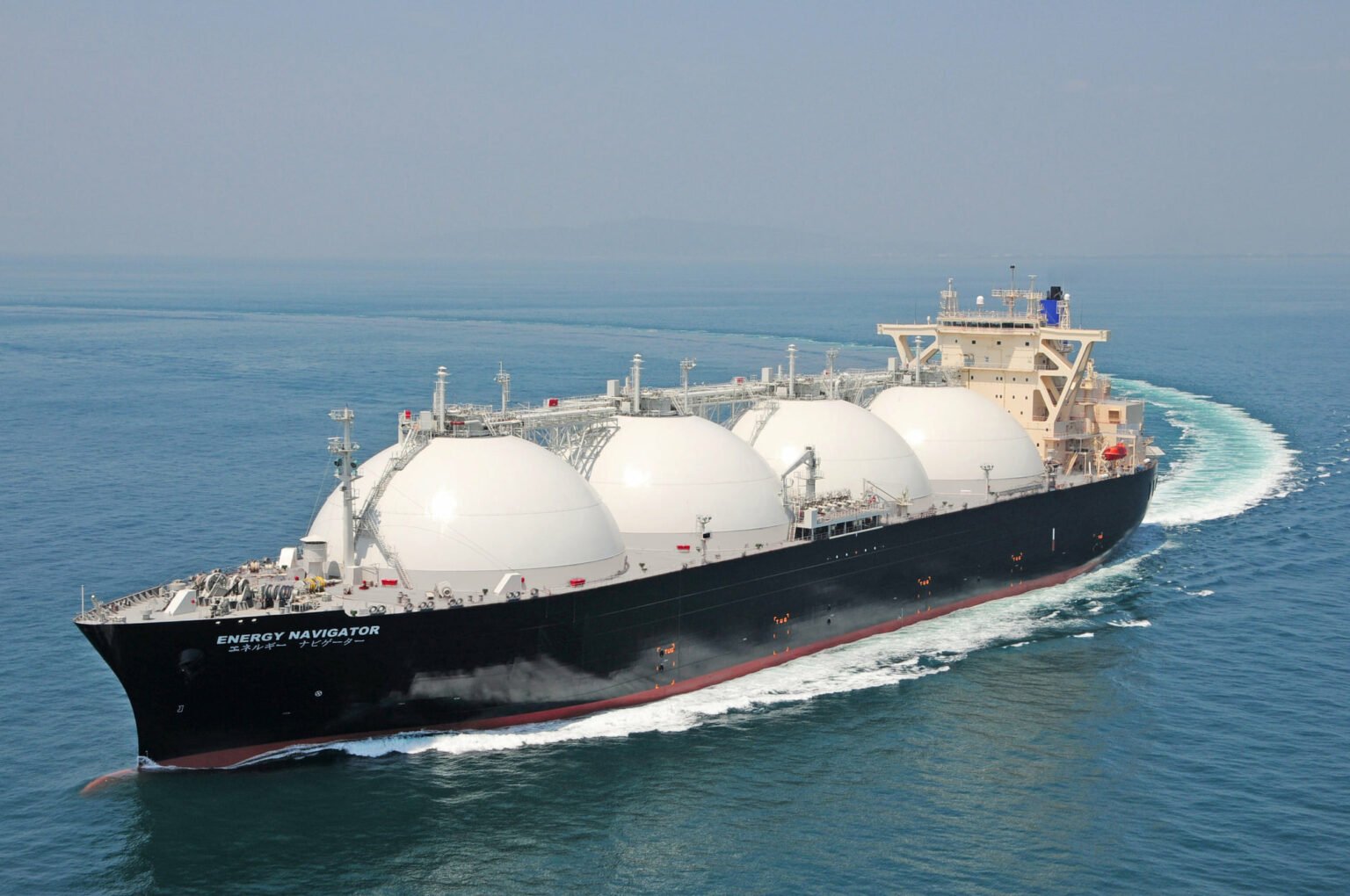

ISLAMABAD, Nov 6 (INP-Wealth Pakistan): Pakistan’s dependence on imported liquefied natural gas (LNG) grew further in fiscal year 2023-24 as domestic gas production declined again. LNG imports increased by 13 percent year-on-year to 9.1 million tonnes of oil equivalent (Mtoe), compensating for a 4 percent drop in indigenous gas output. The rise came despite fiscal pressure and foreign-exchange shortages, showing how deeply the country relies on imported fuels.
Local gas output keeps shrinking
According to the Pakistan Energy Market Review 2025 by Renewables First, domestic gas production fell to 3,117 million cubic feet per day (MMCFD) in FY24, continuing the decline that began in FY21. Output has dropped 13 percent over five years as mature fields in Sindh and Balochistan weakened and few new discoveries were added. LNG imports reached 451,391 million cubic feet during the year, meeting 28 percent of national demand through regasification terminals at Port Qasim.
Import network and pricing exposure
The report said two floating storage and regasification units—Engro Elengy Terminal Limited (EETL) and Pakistan GasPort Consortium Limited (PGPCL)—handled all LNG cargoes.
Pakistan State Oil (PSO) imported volumes from Qatar under long-term government-to-government deals, while Pakistan LNG Limited (PLL) bought cargoes through spot tenders. Together, their capacity stood near 1,440 MMCFD with terminal tariffs between 0.41 and 0.48 US dollars per MMBTU.
Brent-indexed contracts made these imports vulnerable to global oil price swings. Delivered-ex-ship rates averaged 11–13 dollars per MMBTU in FY24, with occasional spot surges above 15 dollars. The depreciation of the rupee and rising freight costs further inflated Pakistan’s energy bill.
Contract obligations and surplus risk
Pakistan adopted long-term LNG contracts in 2015 to cover fuel shortages, signing 15-year agreements with Qatar Energy (formerly QatarGas) and ENI of Italy.
Under these, PSO and PLL must import 120 cargoes a year—108 from Qatar and 12 from ENI—on a take-or-pay basis. As power and industrial demand slowed in FY24, surplus cargoes emerged that could not be fully used.
To avoid defaults, LNG was diverted to domestic users through the Sui Northern Gas Pipelines Limited (SNGPL) and Sui Southern Gas Company (SSGC) networks.
This move maintained supply but raised costs because regasified LNG is nearly three times dearer than local gas. In September 2025, OGRA rates stood at 12.01 dollars per MMBTU for SNGPL and 11.01 dollars for SSGC.
Consumer and fiscal impact
The report warned that the pricing gap is hurting affordability and forcing higher government subsidies.
LNG tariffs follow a uniform rate instead of tiered slabs, which burdens low-use consumers most. Continuing diversion to households, it said, will deepen fiscal pressure and undermine the financial health of gas utilities.
Import cost and external strain
Pakistan spent 3.9 billion US dollars on LNG in FY24, up from 3.8 billion a year earlier. The increase came mainly from larger volumes and currency depreciation, not higher prices. LNG now forms a major part of the national energy import bill, exposing the economy to global price shocks and supply disruptions.
Future imbalance and policy warning
Experts caution that Pakistan’s long-term obligations may exceed demand if industrial growth remains weak. The report estimates a possible surplus of 28 unused Qatar cargoes each year, reaching 177 by 2030 unless contracts are renegotiated or domestic demand rebounds.
The study concludes that growing LNG dependence reflects both limited exploration and mismatched supply contracts. It notes that while LNG ensures short-term security, the resulting fiscal burden and foreign-exchange strain are unsustainable.
Reform and rebalancing needed
According to the Pakistan Energy Market Review 2025, Pakistan’s LNG policy needs urgent rebalancing through better demand forecasting, contract renegotiation, and accelerated investment in indigenous energy and renewables to secure long-term affordability and stability.