
ISLAMABAD, Nov 12 (INP–Wealth Pakistan): The government has decided to revive the Pakistan Steel Mills instead of privatizing it. The step is part of a wider plan to rebuild the country’s manufacturing base under the upcoming National Industrial Policy 2025. Officials see the move as vital for long-term economic growth and industrial expansion.
Steel Mills to Be Revived, Not Sold
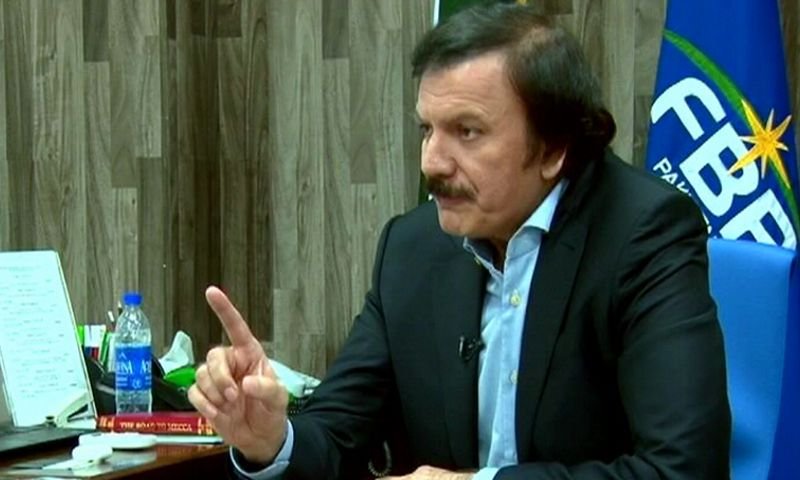
Special Assistant to the Prime Minister on Industries and Production Haroon Akhtar Khan said the government viewed the revival of the steel industry as a national priority. He said no country could industrialize without strong base industries such as steel, plastic, and rubber. Their absence, he explained, pushes up production costs and weakens the manufacturing chain.
He said three private groups are already in contact with the government to help rebuild the plant. The Pakistan Steel Mills will be revived, not sold. While the First Women Bank has been privatized and Pakistan International Airlines will follow, the government will retain control of the steel mill because of its strategic value.
Policy Shift Toward Industrial Growth
According to Haroon Akhtar, Pakistan has reached a turning point. The focus is now shifting from short-term stabilization to long-term structural reform. The National Industrial Policy 2025 was prepared in consultation with the State Bank of Pakistan, the Securities and Exchange Commission of Pakistan, the Federal Board of Revenue, and major chambers of commerce.
He said the policy aims to restore investor confidence and expand industrial capacity. It also seeks to link Pakistan with regional and global value chains. Meanwhile, several macroeconomic indicators have started improving. Government borrowing has declined, interest rates have dropped from 22 percent to 11 percent, and interest payments have reduced. These improvements, he added, have helped narrow the fiscal deficit.
However, Pakistan cannot yet use the available fiscal space to grant tax concessions while it remains under the International Monetary Fund programme.
New Incentives for Private Investment
Under the new policy, tax rates will be rationalized to promote business activity and improve revenue collection. Banks that provide more than 20 percent of their credit to the private sector will qualify for lower tax rates.
Haroon Akhtar said the industrial policy rests on eight pillars. These include tariff and tax reforms, energy sector restructuring, and incentives for new industries such as electric vehicles, batteries, and data centers.
Broader Industrial Measures Planned
He said the government will also modernize insolvency laws and improve protection for intellectual property rights. A new land-lease model will make industrial plots more affordable. In addition, single customs-bonded warehouses will be set up at major Special Economic Zones to ease trade and investment.
Revival Marks Industrial Turning Point
Haroon Akhtar said the revival of the Pakistan Steel Mills would mark a new chapter in Pakistan’s industrial development. It would create jobs, attract investment, and strengthen the manufacturing base. He said this effort was not about selling state assets but about rebuilding the foundation of the national industrial economy.