


Azeem Ahmed Khan
ISLAMABAD, April 03 (Wealth Pakistan): Pakistan’s honey exports have reached around $15 million annually, driven by improved beekeeping practices and high-value varieties.
Speaking to Wealth Pakistan, Dr Muhammad Khalid Rafiq, Senior Scientific Officer at the Honey Bee Research Institute (HBRI), said: “We have laid a strong foundation for a competitive honey industry through sustained research, colony multiplication, improved queen breeding, pest management, and quality assurance systems.”
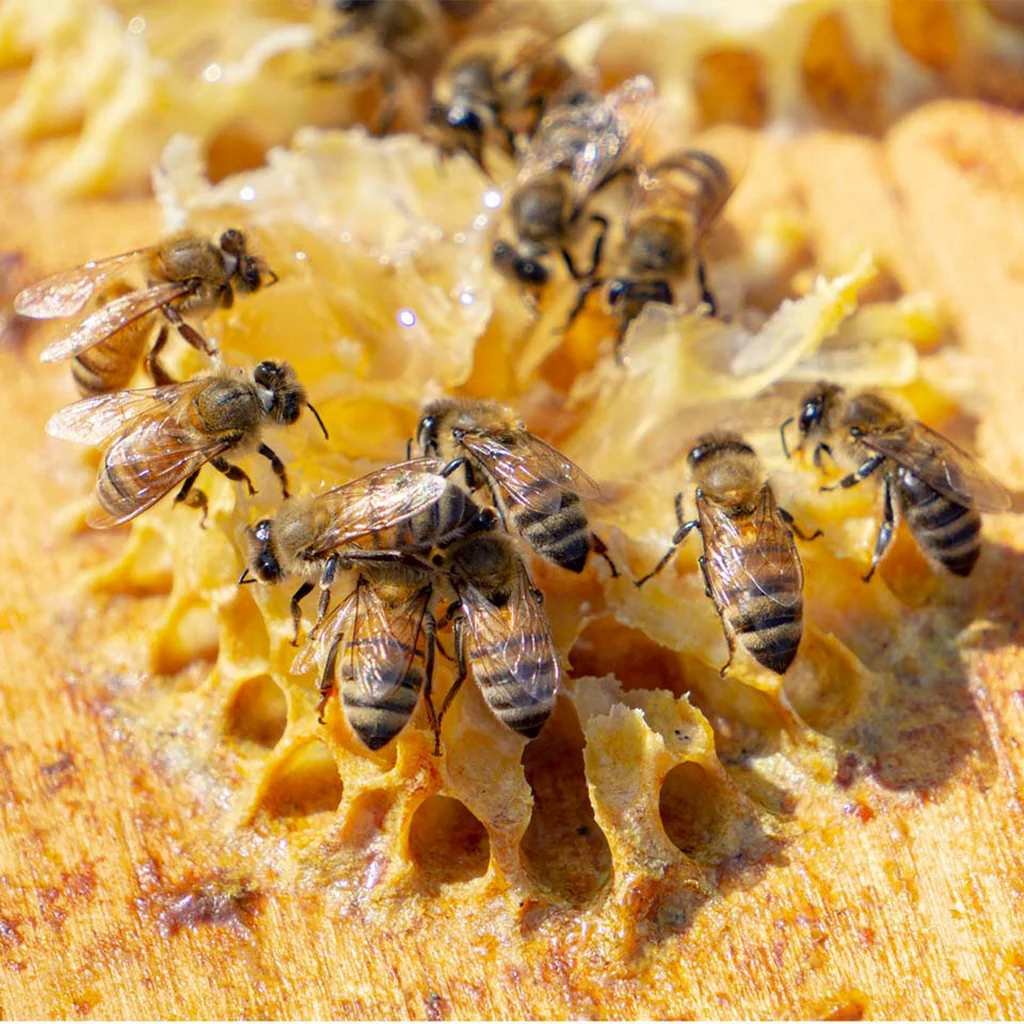
Currently, Pakistan maintains around 1.5 million colonies of Apis mellifera, a high-yielding western honeybee species. These colonies produce between 25,000 and 30,000 metric tonnes of honey each year. Of this output, 8,000 to 10,000 metric tonnes are exported, generating nearly $15 million annually.
Most exports go to Gulf markets, including Saudi Arabia, the UAE, and Qatar. In particular, premium Sidr (berry) honey leads these exports.
Pakistan’s journey towards a thriving honey industry began in 1979. At that time, organised beekeeping started at the National Agricultural Research Centre under the Pakistan Agricultural Research Council. Earlier, the country relied on imports due to the low productivity of indigenous bee species.
The introduction of Apis mellifera, along with structured colony multiplication and training programmes, set the stage for rapid growth. Since then, HBRI has introduced modern hive management, queen breeding systems, honey testing facilities, and migratory beekeeping models. It has also trained thousands of beekeepers across the country, Dr Khalid added.
However, despite this progress, the sector faces growing environmental challenges. Deforestation, erratic weather patterns, and climate change are shortening flowering cycles. As a result, nectar availability is declining. Traditional floral sources such as Sheesham, Malta, Bekhar, Pulai, and Granda now bloom for shorter durations, directly affecting honey yields.
Moreover, rising temperatures and frequent floods are forcing beekeepers to adopt costly migratory practices. They shift colonies to cooler regions such as Gilgit during peak summers. Consequently, operational costs increase, while production risks and colony losses also rise. This puts additional financial and operational pressure on the sector.
To enhance earnings, stakeholders are promoting branded, single-flower varieties such as Sidr, Acacia, and Mustard honey. These varieties command premium prices in both domestic and international markets.
In addition, HBRI has proposed policy measures to integrate bee-friendly flora into housing schemes, urban landscaping, and plantation drives. At the same time, coordinated efforts are promoting Sidr and Acacia plantations across ecological zones. These steps aim to restore forage availability and stabilise production cycles.
Furthermore, capacity building remains central to HBRI’s mandate. Nationwide training programmes support both new and experienced beekeepers. Women and young entrepreneurs are also being encouraged to enter the sector. As a result, the industry is becoming more inclusive and economically viable, he said.