


By Azeem Ahmed Khan
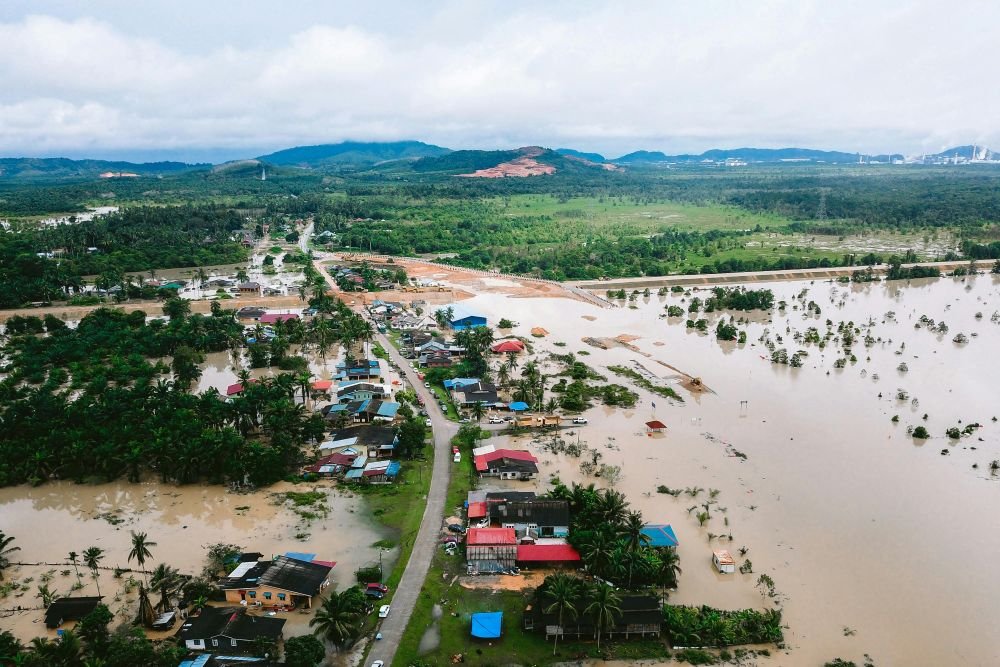
ISLAMABAD, Oct 18 (Wealth Pakistan): Punjab flood losses have been recorded as the most severe among all provinces, with the region accounting for 92 percent of total housing destruction and the largest share of overall economic damage during Pakistan’s 2025 floods, according to the Planning Ministry’s Preliminary Assessment Report.
The report places Punjab’s housing destruction at 213,097 out of 229,763 houses damaged or destroyed nationwide. It adds that Punjab also suffered massive agricultural and infrastructure devastation, including submerged croplands, broken bridges, damaged roads, and heavy livestock losses that severely affected livelihoods across rural districts.
The Ministry of Planning observed that Punjab’s vulnerability stems from its extensive river systems and densely populated floodplains. The 2025 monsoon season brought rainfall nearly 50 percent above long-term averages, inundating large areas of central and southern Punjab, including low-lying settlements near the Chenab and Sutlej rivers.
For background, see the Provincial Disaster Management Authority Punjab website.
Punjab flood losses and displacement impact
“Punjab was the epicenter of the humanitarian crisis,” the report said, adding that nearly four million people were displaced nationwide, with Punjab hosting the largest proportion.
According to data compiled by PDMA Punjab, roads and bridges worth over Rs137 billion were destroyed or rendered unusable. The province also reported heavy losses of livestock and food crops, including wheat, cotton, and fodder, as well as damage to small and medium enterprises in flood-hit districts.
Infrastructure damage across Punjab included 2,811 kilometers of roads and 790 bridges, most concentrated within the province. Disrupted connectivity slowed both emergency operations and market access for farmers and traders.
For context on national flood recovery, visit the Ministry of Planning, Development and Special Initiatives.
Reconstruction costs and recovery outlook
The report warned that reconstruction could take up to a decade in the worst-affected areas unless immediate resources are mobilized. Housing reconstruction alone is expected to cost around Rs92 billion, while overall Punjab flood losses are projected to exceed Rs400 billion once indirect impacts on employment and production are included.
“These are preliminary figures that will be refined after detailed field verification,” the report clarified.
Despite the extensive losses, Punjab’s relief and administrative response was rapid, supported by the armed forces and federal agencies. Temporary camps were established for displaced families, while emergency food, shelter, and medical supplies were distributed across flood-hit areas.
Climate-resilient rebuilding for future protection
Officials acknowledged that long-term rehabilitation—particularly housing reconstruction—will require sustained national and international financial support.
The report emphasized that Punjab’s agricultural and housing sectors must be rebuilt using climate-resilient designs to prevent similar destruction in future disasters. It recommended integrated floodplain zoning, improved drainage networks, and stronger embankments along major rivers.
“Punjab’s experience demonstrates how rapidly changing weather patterns are amplifying disaster intensity,” the document stated, urging that provincial development planning be aligned with Pakistan’s climate adaptation strategy.
The Planning Ministry warned that without structural reforms and resilient infrastructure investment, Pakistan’s economic heartland could remain exposed to recurring climate shocks, posing risks to national food security and GDP growth.
For additional data on provincial flood losses, refer to the Asian Development Bank’s disaster resilience overview.