


ISLAMABAD, Nov 3 (Wealth Pakistan) – Pakistan’s flagship instant-payment platform, Raast, solidified its position as the backbone of the country’s digital-finance transformation during fiscal year 2024-25, facilitating record transaction volumes and becoming South Asia’s fastest-growing public payment network.
Record surge in digital payments
According to the Annual Payment Systems Review FY2024-25 issued by the State Bank of Pakistan (SBP), Raast has processed 1.9 billion transactions worth PKR 44.3 trillion since its launch. In FY2024-25 alone, the system handled 1.27 billion transactions valued at PKR 29.6 trillion — a ninefold increase within just three years.
The platform’s reach expanded rapidly to 45 million registered Raast IDs by June 2025, reflecting strong adoption among individuals and businesses.
New modules boost adoption
During the year, the SBP introduced Person-to-Merchant (P2M) and Bulk Payment modules, allowing instant corporate disbursements, salary transfers, and QR-based retail payments. Seventeen banks covering 97 percent of the market integrated Raast into their corporate portals, creating a unified payment environment.
Corporate transactions routed through Raast grew exponentially, from PKR 7.3 billion in July 2024 to PKR 347 billion by June 2025, demonstrating business confidence in cost-free, real-time settlement systems.
Merchant network expands across Pakistan
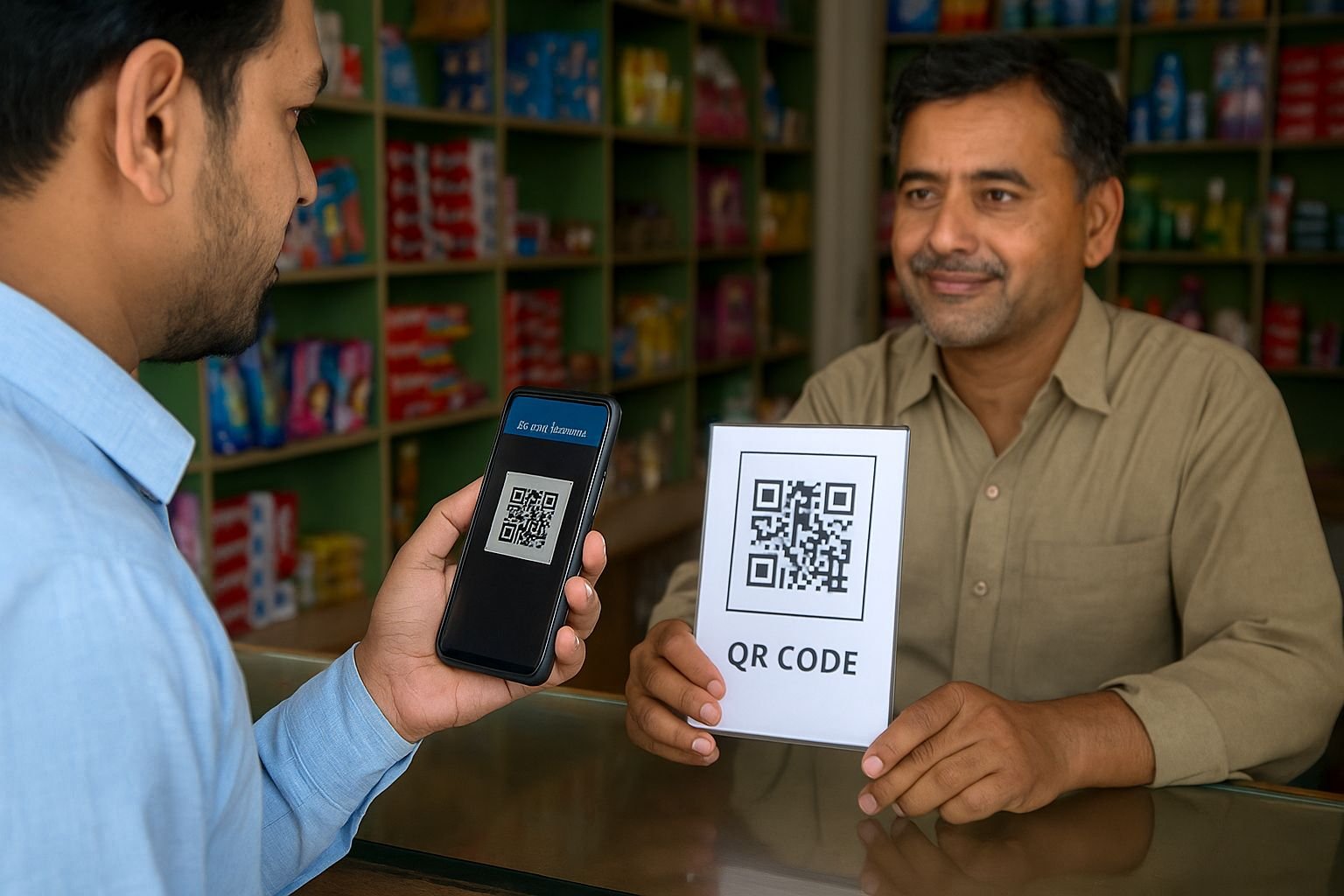
The rollout of the P2M feature brought more than 838,000 merchants into the instant-payment ecosystem. The SBP and partner banks conducted extensive awareness campaigns to promote QR code adoption among small retailers, fuel stations, and service providers.
With the QR feature, customers can now transfer funds instantly from any bank or digital wallet directly to a merchant, bypassing traditional card networks. This shift has made transactions faster, cheaper, and more transparent, boosting liquidity across retail markets.
Transforming inclusion and business efficiency
By removing intermediaries, Raast has improved efficiency and accessibility for both consumers and small businesses. Analysts describe it as critical national infrastructure that connects micro-entrepreneurs, gig workers, and informal-sector participants to the formal banking system.
The SBP emphasised that Raast is a key element of its Digital Pakistan Vision, which aims to expand financial inclusion, enhance transparency, and accelerate economic formalisation through digitalisation.
Future expansion and global recognition
Looking ahead, the SBP plans to extend Raast to cross-border remittances and government-to-person (G2P) disbursements. Integration with the Accountant General Pakistan Revenues (AGPR) portal and major social-welfare schemes is currently under testing.
Officials say the platform’s interoperability architecture positions Pakistan among the world’s top adopters of instant-payment standards. The central bank views Raast’s progress as evidence of the success of low-cost, large-scale digital finance, providing a model for replication across other developing economies.