


By Ayesha Saba
ISLAMABAD, Oct 18 (Wealth Pakistan): Pakistan’s nationwide flood-relief campaign has rescued more than three million people, established 949 relief camps, and mobilized thousands of personnel from civil and military institutions in one of the largest humanitarian operations in the country’s history, according to the government’s Preliminary Assessment of Flood Damages Report.
The Ministry of Planning, Development and Special Initiatives, citing data from the National Disaster Management Authority (NDMA) and provincial governments, said that as of September 30, 2025, a total of 5,769 rescue operations had been conducted across the country, saving stranded families, livestock, and essential goods from floodwaters.
“Pakistan’s coordinated response has been unprecedented in scale,” the report stated, noting that the combined efforts of the armed forces, NDMA, provincial administrations, and civil society prevented further loss of life and supported early relief in the worst-affected districts.
For background, see the NDMA official portal.
Flood-relief operations and national coordination
The floods displaced more than four million people, destroyed 229,763 houses, and caused estimated economic losses exceeding Rs822 billion, making rapid rescue and relief the federal government’s top priority.
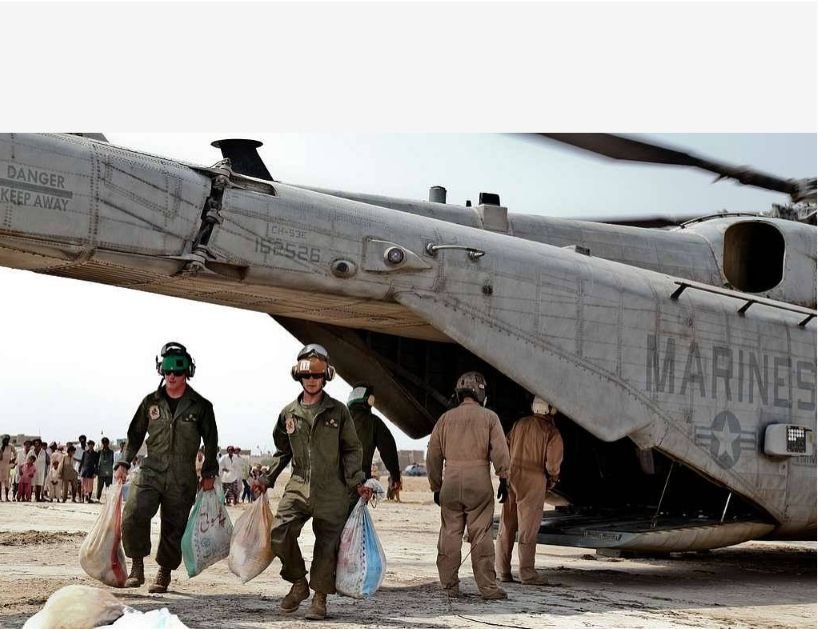
According to the report, the armed forces were deployed across all provinces to conduct emergency evacuations, deliver food, and repair critical infrastructure. Air assets were vital in Khyber Pakhtunkhwa, Punjab, and Balochistan, where settlements were cut off by collapsed bridges and submerged roads.
Helicopters, boats, and engineering units enabled evacuations from remote areas. The armed forces also established medical camps, distributed rations and safe drinking water, and provided tents for temporary shelter.
The NDMA and provincial disaster agencies set up nearly a thousand relief camps in 70 affected districts, housing displaced families and coordinating health, sanitation, and nutrition services. Over 662,000 people received medical treatment in temporary facilities supported by military doctors, civil administrators, and humanitarian partners.
For more on humanitarian logistics, visit the Asian Development Bank disaster-resilience page.
Civil society and international engagement
Essential supplies distributed nationwide included tents, ration packs, blankets, mosquito nets, hygiene kits, and emergency medicines.
Non-governmental organizations, volunteers, and private philanthropists played a major role, complementing state efforts with local initiatives. The Pakistan Red Crescent Society, faith-based charities, and business groups distributed cooked meals, clean water, and sanitation materials in areas where formal infrastructure remained disrupted.
“The partnership between civil society and the armed forces allowed the national response to reach remote pockets that would otherwise have remained inaccessible,” the Planning Ministry observed.
The government said that despite the scale of need, Pakistan initially relied on domestic resources and internal mobilization rather than issuing an immediate international appeal. However, several international organizations and donor agencies began providing targeted support, especially for health and logistics.
Institutional lessons and future disaster management
Experts cited in the report said the coordinated response showed the growing maturity of Pakistan’s disaster-management system since the NDMA’s creation in 2007.
“This operation has shown that Pakistan can mobilize rapidly when institutions work together,” one analyst noted, adding that sustained recovery requires long-term financing and planning.
The document called for a seamless transition from rescue to reconstruction, emphasizing that short-term humanitarian aid must evolve into durable recovery. It recommended that rehabilitation planning cover livelihood restoration, education continuity, and resilient infrastructure rebuilding.
The ministry urged institutionalizing civil–military coordination under a National Disaster Response Framework to ensure that future emergencies can be met with the same speed and scale. It also proposed developing permanent logistics hubs in vulnerable provinces for faster deployment during crises.
“The 2025 floods tested every layer of Pakistan’s emergency apparatus,” the report concluded. “The collective response—anchored by the armed forces and supported by provincial and civil actors—proved that national resilience is possible through unity, coordination, and climate-informed preparedness.”
For data on ongoing recovery efforts, visit the Ministry of Planning and Development.