


Wealth Pakistan International Desk
CAIRO/JERUSALEM, Oct 20 (Reuters) – The United States has intensified diplomatic efforts to stabilize the fragile Gaza ceasefire after renewed violence threatened to derail the week-old truce between Israel and Hamas.
Ceasefire under pressure
US envoys met Israeli Prime Minister Benjamin Netanyahu on Monday, urging both sides to recommit to the 20-step ceasefire plan supported by President Donald Trump.
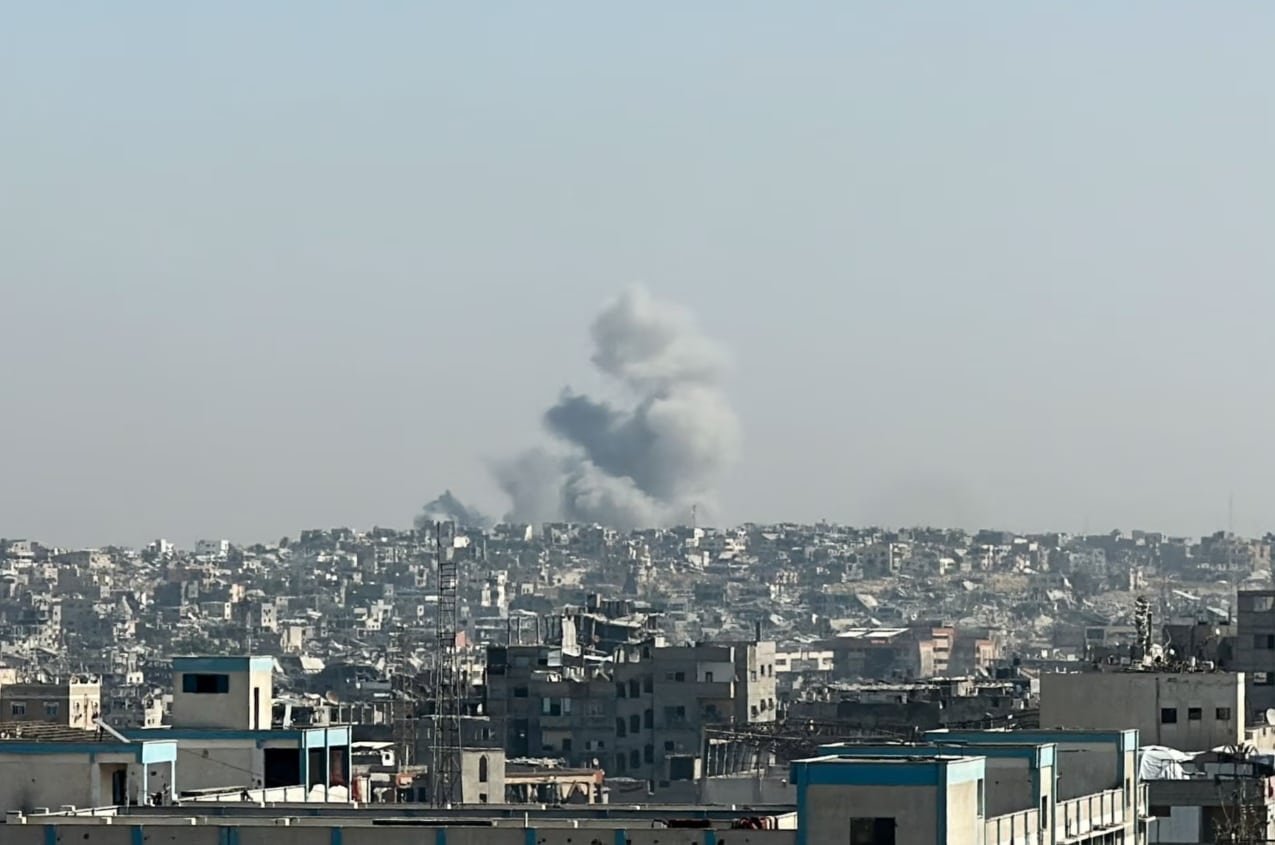
The talks followed a Palestinian attack that killed two Israeli soldiers and Israeli airstrikes that left at least 28 Palestinians dead. Both Israel and Hamas say they remain committed to the truce, but the latest violence has raised concerns about whether Washington can maintain pressure to keep the peace and push the process forward.
Washington’s regional mission
The American delegation, led by Steve Witkoff and Trump’s senior adviser Jared Kushner, is working to consolidate the ceasefire and prepare for the next phase of implementation.
Vice President JD Vance is also expected in Israel on Tuesday to meet Netanyahu for further discussions on “regional challenges and opportunities.”
High-level meetings in Cairo and Jerusalem reflect Washington’s resolve to sustain progress. “This is the historic dawn of a new Middle East,” Trump said earlier, underscoring the political stakes surrounding the fragile truce.
Violence and confusion in Gaza
On Monday, Palestinian medics reported three additional deaths caused by Israeli tank fire near the so-called “yellow line” separating Israeli-controlled areas from Gaza’s main residential zones.
The Israeli army said the strike targeted militants crossing the boundary. Gaza residents, however, said the line remains poorly marked and confusion persists.
“The whole area is in ruins. We saw the maps, but we can’t tell where those lines are,” said Samir, a resident of Gaza City’s Tuffah district. Later, Israel released footage showing bulldozers placing yellow concrete blocks to mark the boundary.
Talks in Cairo and the Hamas response
In Cairo, Egypt hosted Hamas leader Khalil Al-Hayya for consultations on implementing the truce. A Palestinian official said discussions focused on forming a technocratic administration to govern Gaza without direct Hamas involvement — a central element of the Trump-brokered plan.
Hamas and its allied factions, however, oppose any external administration and refuse to disarm. The group also accuses Israel of violating the ceasefire by killing dozens of Palestinians and blocking essential supplies.
Hostage issue and humanitarian concerns
Israel is reportedly awaiting the return of more hostage remains before announcing further progress. Hamas said it would hand over one additional body on Monday.
Israeli officials maintain that Hamas must be fully disarmed and have warned that any militants remaining beyond the yellow line “will be targeted without warning.”
Despite tensions, Israeli authorities confirmed that humanitarian aid convoys would continue entering Gaza.
Public anxiety over fragile peace
Many Gaza residents remain fearful that another round of fighting could erupt.
“I felt my heart drop when I heard the blasts. It felt like the ceasefire had collapsed,” said Abu Abdallah, a displaced businessman from Gaza City. “People are panic-buying food, and prices are rising. The truce feels very fragile.”
Analysts say the United States faces growing pressure to prevent another escalation while balancing regional politics and humanitarian concerns.
This story was originally published by Reuters.