
Home Blog Page 6

Pakistan’s olive oil industry eyes China for next phase of growth

0

By Azeem Ahmed Khan
ISLAMABAD, Feb 02: Pakistan’s fast-growing olive oil industry is intensifying efforts to attract Chinese investors, as local entrepreneurs push joint ventures to expand production, create jobs, and enter one of the world’s largest food markets.

Industry leaders say cooperation with Chinese firms can help Pakistan emerge as a competitive olive oil supplier. They also see it strengthening broader agribusiness ties between Islamabad and Beijing.

Joint ventures proposed with Chinese firms

Shaukat Rasool, founder of the award-winning brand Loralai Olives, told Wealth Pakistan that his company is holding advanced talks with Chinese firms to sign memoranda of understanding for large-scale projects.

He said the recent Pak-China Agri Investment Conference offered a timely platform for presenting proposals to potential partners.

“We are proposing three corporate olive estates across 3,000 acres, with total investment of about $20 million,” Rasool said.

He added that the projects could create more than 3,000 direct jobs. Within six to seven years, they could generate olive oil worth $18–20 million annually.

China seen as key export destination

Rasool said China offers a natural export market due to its heavy reliance on imports and its expanding health-conscious middle class.

He noted that China imports more than $300 million worth of olive oil each year, creating strong demand for new suppliers.

“People are becoming more aware of healthy diets,” he said. He added that Pakistan’s climate and soil suit olive cultivation.

Cost advantages and logistics support

Rasool told Wealth Pakistan that Pakistan offers Chinese investors several commercial advantages. These include lower land costs and improving logistics infrastructure under the China-Pakistan Economic Corridor.

“These factors make investment commercially viable and mutually beneficial,” he said.

Loralai Olives already maintains close supply-chain links with China. Rasool said the company sources all its packaging and bottling materials from China.

He added that future cooperation could include olive oil extraction machinery, bottling plants, and harvesting equipment.

International awards boost confidence

Pakistan’s olive oil gained global attention last year when Loralai Olives won a silver award at the New York International Olive Oil Competition.

The competition attracted more than 1,200 brands from traditional olive-producing countries.

Industry experts regard the competition as the world’s most prestigious platform for extra virgin olive oil. Judges assess entries on quality, aroma, flavour, and overall excellence.

Rasool said the company plans to compete again internationally this year.

Domestic demand and startups grow

Exports remain limited and mainly target Gulf markets. However, domestic demand continues to rise.

Pakistan imports more than $12 million worth of olive oil each year. Consumers are increasingly shifting to local brands due to health awareness and international recognition.

Rasool said more than 80 olive-related startups now operate across farming, processing, and marketing.

Wide cultivation potential across Pakistan

Farmers can cultivate olives across large parts of Pakistan. These include Balochistan, Khyber Pakhtunkhwa, and areas of Punjab and Sindh.

Arid regions such as Cholistan and southern Punjab also show strong potential.

“Olive offers a complete value chain,” Rasool said. “Beyond oil, producers can develop cosmetics, medicines, and health products.”

Sector poised for Pak-China cooperation

Rasool said international recognition changed market perceptions.

“When we started, imported brands dominated the market,” he said. “Global awards helped build trust in Pakistani olive oil.”

With rising Chinese interest in joint ventures, Pakistan’s olive sector now stands poised to become a new pillar of Pakistan-China economic cooperation.

Digital livestock monitoring to strengthen disease control in Punjab

0

By Muhammad Luqman

LAHORE, Jan 31: Punjab’s newly launched digital livestock monitoring system is expected to improve disease control and animal healthcare by enabling real-time tracking of veterinary services, officials and experts say.

The Punjab government approved the initiative to modernise livestock management across the province. The Punjab Information Technology Board developed the digital platform.

Real-time monitoring of veterinary services

The system brings all services of the Livestock and Dairy Development Department into one digital framework. It connects field operations with the “Livestock Connect” platform.

As a result, authorities can monitor mobile veterinary units, staff attendance and service delivery in real time. This monitoring also improves transparency and accountability.

Vice-Chancellor of Cholistan University of Veterinary and Animal Sciences Prof Mazhar Ayaz said the system would ensure timely vaccination and treatment for farmers.

“Farmers can now access vaccines and treatment in real time,” he told Wealth Pakistan. “They will also receive guidance on seasonal and animal health issues.”

Moreover, the system allows farmers to report missed vaccinations or staff absenteeism. This feature strengthens oversight at the field level.

Focus on border districts and disease prevention

Prof Mazhar said the system would closely monitor border districts, including Attock, Dera Ghazi Khan, Koh-e-Suleman, Bhakkar and Rahim Yar Khan.

These areas face a higher risk of trans-boundary animal diseases. Therefore, digital surveillance will help authorities respond faster.

He identified Lumpy Skin Disease, Foot-and-Mouth Disease and Peste des Petits Ruminants as major threats. Peste des Petits Ruminants mainly affects sheep and goats.

“Most of these diseases enter through border areas,” he said. “With digital surveillance, control will improve significantly.”

Support for field staff and farmers

Meanwhile, the provincial cabinet has approved a fixed monthly travel allowance of Rs4,000 for veterinary assistants and artificial insemination technicians.

Prof Mazhar described the decision as a long-pending reform. He said the allowance would cover fuel and maintenance costs.

As a result, field staff will improve mobility and focus better on service delivery.

Livestock sector shows steady growth

These measures come as Pakistan’s livestock sector continues to show steady growth. Official data show the sector grew by 4.72 percent in FY25.

According to the Pakistan Bureau of Statistics, livestock growth stood at 2.80 percent in FY20. It rose to 2.38 percent in FY21 and 2.25 percent in FY22.

Growth then accelerated to 3.70 percent in FY23 and 4.38 percent in FY24. It further improved in FY25.

Prof Mazhar linked this progress to rising demand for milk and meat. He also cited better farm management and improved animal health services.

He added that small farmers play a key role in this growth. For them, livestock remains a vital source of income and security.

Need for targeted investment

However, Prof Mazhar said sustained growth requires further investment. He called for stronger focus on feed development, disease control and value-added processing.

In addition, better market linkages can boost rural employment and food security. Such steps can also support national economic goals, he added.

Pakistan Railways investing over Rs31bn in track upgrades

0

By Muhammad Faisal Kaleem

ISLAMABAD, Jan 31: Pakistan Railways (PR) is investing more than Rs31 billion to upgrade and rehabilitate railway tracks across the country.

The investment covers six major development projects. These projects aim to improve safety, boost efficiency and provide faster services for passengers and freight operators.

According to an official document available with Wealth Pakistan, Pakistan Railways is executing all projects under the Public Sector Development Programme (PSDP).

In the Sukkur Division, Pakistan Railways will carry out track safety work on the Rohri–Khanpur section at a cost of Rs4.87 billion. It will also upgrade the Tando Adam–Rohri section with an estimated investment of Rs4.83 billion.

In the Karachi Division, the department will complete essential track safety work on the Keamari–Hyderabad section at a cost of Rs5.4 billion.

Pakistan Railways will also upgrade the Khanewal–Shahdara section through Shorkot, Faisalabad and Qila Sheikhupura. This project covers the Multan and Lahore divisions and will cost Rs6.3 billion.

In the Multan Division, the Sher Shah–Kundian section will receive safety upgrades costing Rs4.9 billion. Meanwhile, Pakistan Railways will complete track safety work on the Rohri–Sibi section in the Sukkur Division at a cost of Rs5.49 billion.

These projects will make train travel safer and more reliable. They will also reduce travel time between major railway stations.

After completion, passengers will save 55 minutes on the Tando Adam–Rohri section and 27 minutes on the Rohri–Khanpur route. Travel time will drop by 25 minutes on the Keamari–Hyderabad section.

Similarly, the Khanewal–Shorkot–Faisalabad–Qila Sheikhupura–Shahdara route will save 40 minutes. The Rohri–Sibi section will save 56 minutes, while the Sher Shah–Kundian section will see the highest reduction of 106 minutes.

China, Pakistan highlight people-to-people ties at badge contest

0

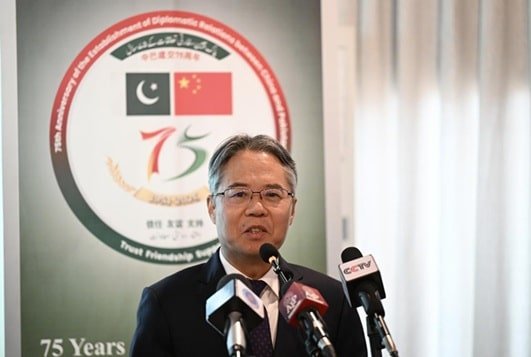
ISLAMABAD, Jan 29 (ABC): Chinese Ambassador to Pakistan Jiang Zaidong and Foreign Secretary Amna Baloch has underscored the strength of Pakistan–China relations while attending the award ceremony for the China-Pakistan 75th Anniversary Commemorative Badge Design Competition.

Speaking at the ceremony, Ambassador Jiang congratulated the organisers and participants, saying the competition reflected the broad public consensus in Pakistan that the China-Pakistan friendship enjoys nationwide support. He noted that the three winning designs, submitted by individuals from different regions and professional backgrounds, made the “ironclad friendship” between the two countries more visible and relatable.

He said the strong public response demonstrated that people-to-people engagement remains a key driver of bilateral cooperation. Jiang added that China is ready to work with Pakistan under a people-centred diplomacy approach to further strengthen the China-Pakistan community with a shared future and deliver tangible benefits to citizens of both countries.

Foreign Secretary Amna Baloch thanked China for its continued support and said the competition, which focused on youth participation, received more than 2,000 submissions. She said the response highlighted the deep roots of Pakistan-China friendship, particularly among younger generations.

She added that Pakistan views the competition as a starting point for a broader series of activities to mark the 75th anniversary of diplomatic relations between the two countries. These initiatives, she said, aim to preserve and pass on the spirit of Pakistan-China friendship to future generations.

Pakistan’s textile industry shifting to yarn, synthetic fiber

0

LAHORE, Nov 26 (Wealth Pakistan) – Pakistan’s reliance on imported synthetic fiber and yarn is increasing as the textile sector responds to changing global trends.

Global buyers prefer modern fabrics

Exporter Muhammad Farooq told Wealth Pakistan that international buyers now prefer polyester, spandex and blended fabrics instead of pure cotton. He said Pakistan cannot yet produce these materials in sufficient quantities, so manufacturers must depend on imports.
Synthetic fiber is cheaper and more suitable for modern apparel. Because of this, exporters are gradually moving in that direction.

Rising imports raise cost and currency risks

Farooq warned that higher dependence on imported synthetic fiber could expose the sector to currency fluctuations. As a result, the trade deficit may worsen if export growth does not outpace import spending.
He also said local synthetic fiber producers may struggle to meet rising demand. According to him, the shift could create environmental challenges, as synthetic fiber contributes to microplastic pollution. He noted that the transition is understandable but requires careful planning.

Cotton still vital for Pakistan’s textile sector

Industrialist Ahmed Ali dismissed the impression that Pakistan is moving away from cotton. He said cotton remains the backbone of the textile industry and gives Pakistan an edge in producing fine-quality goods.
However, he acknowledged that synthetic fiber and yarn imports have increased due to demand. A shift is taking place because global buyers want performance fabrics such as sportswear and activewear.

Climate stress fuels the shift

Ali said Pakistan cannot rely only on cotton, especially when climate stress is affecting crop yields. He explained that synthetic blends offer consistency and match the expectations of global buyers who demand modern fabrics.
He added that Pakistan can enter higher-value segments such as activewear, athleisure and technical textiles. These products can earn more than traditional cotton items and also reduce dependence on unpredictable cotton crops.

Need for new machinery and worker training

Ali noted that many older cotton-based machines cannot process synthetic fabrics. Therefore, factories need modern technology to handle new materials. Workers also require training, as synthetic fiber reacts differently to heat, stitching and handling.

Cotton ginners face tough conditions

Cotton ginner Abdul Latif told Wealth Pakistan that farmers feel discouraged due to weak government policies. Because of this, textile mills are exploring alternatives.
He said ginning factories are struggling to survive amid the cotton shortage.
Latif supported the use of modern methods but cautioned that Pakistan must also improve cotton production. Relying heavily on imports, he said, can create serious issues for the textile sector and the wider economy, especially when the country is already dealing with high import bills.

Probe begins as mysterious disease kills 10 camels in Cholistan

0

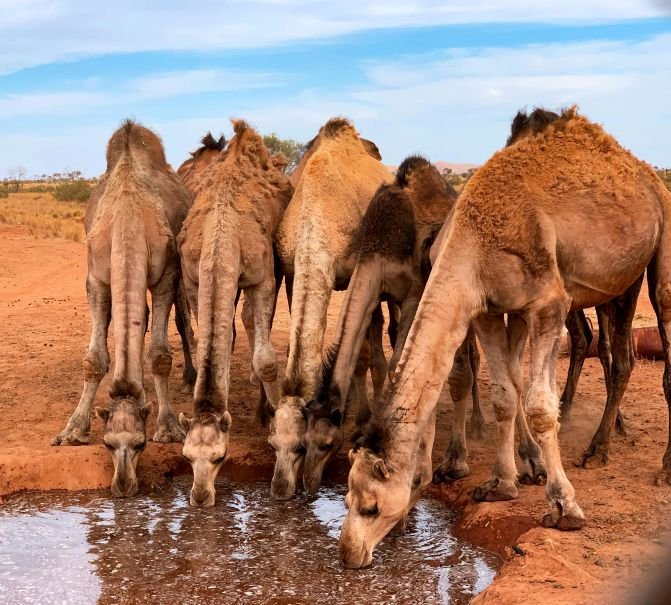
LAHORE, Nov. 26 (Wealth Pakistan) — The Punjab Livestock Department has begun investigating a mysterious disease that recently killed around 10 camels in the Cholistan desert.

Teams rush to collect samples

Dr Haider Ali Khan, spokesperson and Director at the Punjab Livestock Department, told Wealth Pakistan that a team from the National Veterinary Laboratory, Islamabad, reached Kot Sabzal in Rahim Yar Khan to collect blood samples.
Earlier, a Veterinary Research Institute (VRI) team from Lahore gathered samples from 52 camels for testing.

Over 11,000 camels checked in the desert

Dr Khan said livestock teams examined 11,597 camels across Cholistan. Only 1,100 animals showed symptoms. The teams treated and vaccinated them on the spot.
Punjab has a total camel population of 252,000, according to the Agriculture Census 2024. Most camels live in the Bahawalpur and DG Khan divisions.

Common diseases affecting camels

Camel herds in southern Punjab often suffer from parasitic infections such as anaplasmosis and Theileria. Skin issues like sarcoptic mange also appear frequently.
Additionally, Trypanosoma evansi, a protozoan disease, is common in the region. More severe conditions such as bluetongue, peste des petits ruminants (PPR), and brucellosis can also affect local herds.

Situation improving with quick treatment

According to Dr Khan, the situation has improved during the past two days. No new deaths have occurred, and sick animals usually respond within two to three days.
Five medicines are being used to treat cold, flu and breathing problems in the affected camels.

Experts rule out cross-border spread

Veterinarians in Rahim Yar Khan do not see any signs of a transboundary disease.
“If this illness had come from the Indian side, it would have spread across a wide area of southern Punjab. Instead, it remains confined to a narrow belt on the Punjab–Sindh border,” Dr Muhammad Noman, Veterinary Officer in Rahim Yar Khan, told Wealth Pakistan.
He said laboratories can develop a vaccine only after completing the analysis of the collected blood samples.

Illness similar to 2014 outbreak

The current respiratory illness, locally known as Phuphri, is similar to the disease that appeared in 2014.
Livestock experts have urged the Punjab government to take long-term measures to avoid future outbreaks.

Call for stronger surveillance

“Instead of relying on hit-and-trial treatments, the province needs a proper vaccine,” said Lahore-based livestock expert Dr Wasiullah Khan.
He also called for quarantine facilities at the Sindh–Punjab border. According to him, weak surveillance allowed Lumpy Skin Disease to enter Punjab in the past.
He warned that the recent camel illness may also have spread due to similar gaps in monitoring.

Pakistan rolling out action plan to reduce heat stress

0

ISLAMABAD, Nov 23 (Wealth Pakistan): Pakistan is rolling out a National Cooling Action Plan to address rising heat stress, as the Ministry of Climate Change and Environment Coordination integrates sustainable cooling measures into national policies and planning frameworks.

Integrating cooling measures into national policy

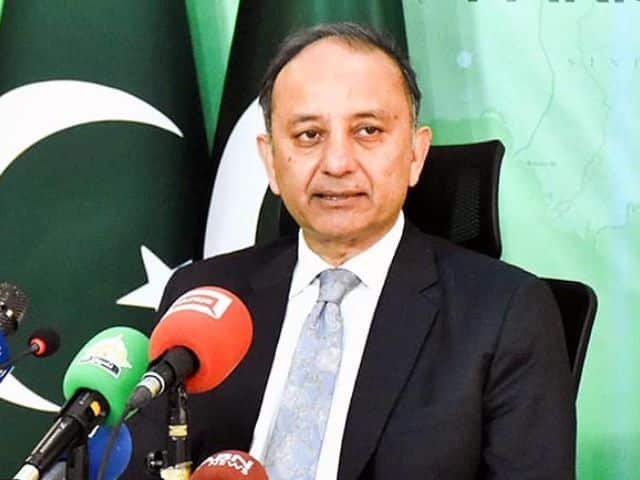
In an exclusive conversation with Wealth Pakistan, Minister for Climate Change Musadik Masood Malik said the ministry has taken concrete steps to embed sustainable cooling requirements into various national strategies. He said that Pakistan’s National Climate Change Policy now provides clear directions for adopting energy-efficient appliances, enforcing building energy codes and promoting passive and green building designs to reduce cooling demand.

Green building code to reduce cooling loads

Mr Malik explained that the green building code introduces mandatory provisions for site sustainability, passive solar design, natural ventilation and green roofing. It also includes indoor air quality guidelines and energy-efficient building envelopes. These measures, he noted, directly reduce cooling loads. In addition, the code encourages renewable energy integration, water-efficient technologies and sustainable construction materials to ensure climate-smart practices.

Heat stress included in national health planning

He said that heat stress has been identified as a major climate-sensitive health risk under the National Action Plan. As a result, climate adaptation must now be integrated into public health planning.

Rising forest fire incidents linked to climate change

The minister said Pakistan recorded 146 forest fire incidents in 2025, which affected 7,502 acres of land. In comparison, 317 incidents in 2024 harmed 6,708 acres, while 16 incidents in 2023 damaged 1,287 acres. He said climate change continues to increase Pakistan’s vulnerability to forest fires.

In response to widespread fires in 2022, and following directives from the Prime Minister, the government established a High-Level Stakeholder Coordination Mechanism to improve preparedness and response capabilities.

New SOPs for forest fire management

Mr Malik said the Climate Change Ministry developed Standard Operating Procedures for forest fire prevention and response in consultation with provincial and territorial authorities. A fortnightly reporting format has also been issued to ensure regular monitoring. All stakeholders, he added, have been instructed to make proper preparedness arrangements.

Pakistan Cooling Action Plan (PCAP)

He said the ministry has developed the Pakistan Cooling Action Plan (PCAP) to define national cooling ambitions and guide activities in the cooling sector. The PCAP covers domestic and commercial refrigeration, domestic air conditioning and both on-grid and off-grid fans.

According to him, PCAP includes plans to introduce minimum energy performance standards (MEPS) and labeling for cooling products such as air conditioners, refrigerators and fans. It also proposes the bulk replacement of inefficient fans in government buildings and low-income households with 5-star/DC fans. In addition, efficient DC fans will be deployed in off-grid areas to improve cooling access.

Emissions reduction and energy savings

Mr Malik said the plan aims to avoid 22 MtCO₂e of indirect emissions and save 46 TWh of electricity. It also targets a reduction of 5 MtCO₂e in direct emissions through refrigerant transition. Improved cooling access for 3 million people in off-grid and weak-grid communities is also planned.

Mandates under national energy efficiency policy

He said the National Energy Efficiency and Conservation Policy mandates MEPS and mandatory labeling for refrigerators and air conditioners. It also promotes energy audits and adoption of efficient cooling systems in industries and buildings.

Pakistan Railways earns over Rs300bn in four years

0

ISLAMABAD, Nov 25 (Wealth Pakistan) – Pakistan Railways has earned more than Rs300 billion over the past four years, showing a steady rise in revenue and signs of improving financial stability.

Revenue performance over four years

According to documents available with Wealth Pakistan, the department earned Rs306.203 billion from FY2021-22 to FY2024-25. Year-wise revenue stood at Rs60.092 billion in 2021–22, Rs63.718 billion in 2022–23, Rs88.792 billion in 2023–24, and Rs93.601 billion in 2024–25.

Operating expenses during the same period amounted to Rs67.699 billion in 2021–22, Rs72.178 billion in 2022–23, Rs88.380 billion in 2023–24, and Rs89.269 billion in 2024–25.

Key revenue streams

Pakistan Railways generates income from several major sources. Passenger services remain the primary contributor. Freight operations form another major component, transporting petroleum, coal, cement, agricultural products and other items across the country.

The department also earns revenue through rented or leased railway properties, public-private partnerships, and management of trains, stations and terminals.

Passenger facilities and service upgrades

In recent years, the department has introduced several improvements. These include executive washrooms, free Wi-Fi, escalators at major stations, and modern dining cars offering hygienic food. Cleanliness standards have also improved through a partnership with the Punjab Waste Management Company.

According to the documents, these measures have raised passenger satisfaction levels. Train punctuality stood at 81 percent in 2021–22, 79 percent in 2022–23, and improved again to 82 percent in 2023–24.

Outsourcing and partnerships

To improve efficiency, the ministry is engaging private parties through leasing and outsourcing arrangements. So far, six passenger trains have been outsourced, while 11 more are in process. Commercial management of 20 brake vans and 14 simple vans has also been outsourced.

The Auditor General of Pakistan is conducting a third-party audit to ensure transparency in these initiatives.

Focus on reforms and modernization

A senior official of the Ministry of Railways, requesting anonymity, told Wealth Pakistan that long-term reforms remain a priority. He said that upgrading tracks and modernizing the signaling system are essential next steps.

He added that digital transformation is also needed. Online booking systems, mobile applications and automated ticketing services would help improve performance across the network.

Freight expansion and future direction

Efforts are also underway to expand the freight corridor to attract large commercial clients. Increasing cargo-handling capacity is another major goal.

“These initiatives will strengthen Pakistan Railways’ revenue base and reduce its reliance on government subsidies,” the official said.

Pakistan’s gig workers account for 2.9% of total employment in 2024-25

0

ISLAMABAD, Nov 25 (Wealth Pakistan): Pakistan’s digital platform workers, also known as gig workers, make up 2.9 percent of total employment in 2024-25. This finding comes from the latest Labour Force Survey released by the Pakistan Bureau of Statistics and shows the growing presence of platform-based work in the economy.

Growth of platform-based work

The survey provides updated estimates of people working through digital platforms. According to the Labour Force Survey 2024-25 document available with Wealth Pakistan, gig workers include those who rely mainly on platform work and those who use it as a secondary income source. Because of the flexible nature of gig work, many workers complete tasks without formal contracts.

Physical and online gig activities

The survey shows that 97.1 percent of gig workers perform physical work. This includes delivery services, transport services and labour tasks arranged through mobile applications. Only 2.9 percent of gig workers perform online tasks. These tasks include freelance work, digital content creation and other remote services.

Gender patterns in gig work

The survey records gender differences in gig work. Around 3.0 percent of employed males take part in online gig work, while 2.5 percent of employed females do the same. Although both men and women work through digital platforms, overall participation remains limited. The survey includes provincial totals for platform-based work but does not separate physical and online gig work at the provincial level.

Subsidiary gig workers

The Labour Force Survey also reports on workers who take up gig activities alongside a primary job. These secondary tasks include transport-related work, online services, delivery work and other platform-based activities. Provincial data shows variation in how workers engage in secondary gig tasks.

Alignment with international labour standards

The survey includes gig work after Pakistan adopted updated international guidelines under the 19th and 21st International Conference of Labour Statisticians frameworks. Because of this shift, the 2024-25 questionnaire now includes questions on digital platform work, unpaid domestic activities and freedom of association. These changes align Pakistan’s labour statistics with global practices.

Survey coverage and data collection

The Labour Force Survey collected data through interviews with 53,974 households across the country. Field teams visited 3,796 primary sampling units, including both urban and rural areas. The survey includes responses from individuals aged ten years and above. Population estimates are based on the 2023 census, with annual adjustments for growth.

Key takeaway

Although gig workers form a small share of the workforce, the survey offers the first detailed national measurement of digital platform employment under updated labour standards. The findings show that most gig workers perform physical tasks through digital apps, while a smaller group provides online services. These insights present a clear picture of Pakistan’s emerging gig labour market.

Pakistan’s youth labour force participation rises to 45.4% in 2024-25

0

ISLAMABAD, Nov 25 (Wealth Pakistan): Pakistan’s youth labour force participation has increased to 45.4 percent in 2024-25. The rise reflects shifts in employment and unemployment patterns among individuals aged 15 to 24, according to the latest Labour Force Survey released by the Pakistan Bureau of Statistics.

Overview of youth labour indicators

The 37th round of the national survey offers updated indicators on youth participation, employment status, unemployment levels and technical and vocational training. According to the Labour Force Survey 2024-25 document available with Wealth Pakistan, youth participation rose from 43.8 percent in 2020-21 to 45.4 percent under the 13th International Conference of Labour Statisticians definition.

Size and importance of the youth population

The report notes that youth form a significant share of the population. Based on adjusted 2023 census projections, Pakistan has 46.3 million people aged 15 to 24. This group makes up 18.5 percent of the total population. Because of its size, changes in youth participation influence overall labour market trends across provinces and regions.

Youth employment trends

Employment among youth has also increased. Under the 13th ICLS approach, the youth employment-to-population ratio rose from 38.9 percent in 2020-21 to 39.7 percent in 2024-25. Under the 19th ICLS definition, which excludes own-use subsistence agriculture workers, the youth employment-to-population ratio stands at 38.6 percent. These trends show that more young people are entering the labour market, although their unemployment rates remain above national averages.

Youth unemployment trends

The survey records an increase in youth unemployment as well. Under the 13th ICLS approach, youth unemployment rose from 11.1 percent in 2020-21 to 12.6 percent in 2024-25. Under the 19th ICLS definition, youth unemployment stands at 12.9 percent.

The survey also documents unemployment trends for the broader 15 to 29 age group. For this group, unemployment increased from 10.3 percent to 11.5 percent under the older definition. Under the updated definition, unemployment stands at 11.8 percent.

Gender-specific youth indicators

The Labour Force Survey presents gender-wise unemployment data. For young males, unemployment increased from 10.0 percent to 12.3 percent under the 13th ICLS framework. For young females, unemployment declined from 14.4 percent to 13.3 percent. Under the 19th ICLS definition, youth unemployment is 12.5 percent for males and 14.0 percent for females.

The survey also notes youth participation in education and the share of individuals who combine education with employment.

Technical and vocational training

The survey includes indicators on technical and vocational training among youth. It records the types of skills acquired, the duration of courses and the institutions providing training. These indicators help explain how skills development shapes youth employment outcomes. The survey also reports the youth NEET rate, showing the share of young people not in employment, education or training.

Dual reporting under ICLS standards

Youth indicators are presented under both the 13th and 19th ICLS definitions to maintain comparability with the 2020-21 Labour Force Survey. The older definition includes own-use agriculture workers, while the updated one excludes them. This dual reporting supports consistency across survey rounds while adopting international statistical standards.

Data collection and population base

Youth indicators are based on interviews with 53,974 households across Pakistan. The survey uses 2023 census projections adjusted with an annual growth rate of 2.075 percent to generate population estimates. Youth labour force data forms part of the broader demographic and employment structure captured in the national survey.

Key finding

The Labour Force Survey 2024-25 shows that youth labour force participation increased to 45.4 percent. This rise is accompanied by increases in both youth employment and youth unemployment rates, offering a detailed view of how young people are engaging with Pakistan’s labour market.