Home Blog Page 18

Xi calls for innovation-driven growth as China charts course for 2030 modernization goals

0

BEIJING, Oct 28 (Xinhua) – China has approved the guiding framework for its 15th Five-Year Plan (2026–2030), setting the stage for a new phase of innovation-led growth and social modernization. President Xi Jinping urged policymakers to seize what he described as a “window of opportunity” to strengthen national competitiveness amid a shifting global landscape.

The plan, endorsed at the fourth plenary session of the 20th Communist Party of China (CPC) Central Committee held from October 20 to 23, outlines the country’s development roadmap through 2030. It builds on the achievements of the 14th Five-Year Plan and forms a crucial link in China’s broader strategy to achieve “socialist modernization” by 2035.


China enters a decisive development phase

Xi told the session that the next five years represent a decisive period for consolidating gains and overcoming structural bottlenecks. “It is important that we seize this window of opportunity to consolidate our strengths, remove development bottlenecks, and secure the strategic initiative amid international competition,” he said.

The recommendations emphasize the pursuit of high-quality growth, scientific innovation, and balanced regional development as the central themes for the upcoming plan. They also reaffirm China’s long-term goal of aligning per capita GDP with that of mid-level developed economies by 2035.

Officials said the 15th Five-Year Plan will serve as a blueprint to ensure steady, sustainable growth while safeguarding national resilience.


Focus on innovation, technology, and real economy

According to the official communiqué, China aims to achieve major breakthroughs in technological self-reliance, digital transformation, and industrial modernization during 2026–2030. The plan calls for strengthening indigenous innovation capabilities, advancing the “AI Plus” initiative to integrate artificial intelligence into industrial processes, and investing equally in physical and human capital.

Xi underlined that the concept of “new quality productive forces” will define China’s future growth model. These, he said, should be developed “in line with local resource endowments and real-world feasibility,” avoiding a one-size-fits-all approach.

The document also commits to building a “modern industrial system” driven by advanced manufacturing and innovation, while maintaining a stable share of manufacturing within the national economy.


From poverty elimination to modernization

The CPC’s planning tradition has long shaped China’s transformation. Under the 14th Five-Year Plan (2021–2025), the country achieved landmark goals, including the eradication of extreme poverty and the completion of a moderately prosperous society.

As China transitions to its next stage, the focus shifts toward structural reforms, sustainability, and social inclusion. Xi called the upcoming plan a “critical stage for reinforcing foundations and pushing ahead on all fronts toward the 2035 modernization goal.”

Despite external pressures and domestic headwinds, China’s economy has demonstrated resilience. In the first three quarters of 2025, GDP exceeded 100 trillion yuan (around US$14.1 trillion), growing 5.2 percent year-on-year. Officials say maintaining such steady growth will be essential for achieving the modernization benchmarks.


Enhancing social well-being and inclusive services

The 15th Five-Year Plan also places strong emphasis on social progress and improving public welfare. Xi reaffirmed that the “immutable goal” of China’s modernization is to meet people’s aspirations for a better life.

The policy blueprint pledges to strengthen inclusive and safety-net public services, ensuring equal access to healthcare, education, housing, employment, childcare, and elderly care. It also calls for enhancing citizens’ “sense of gain, happiness, and security,” reinforcing the people-centered development philosophy that runs throughout the CPC’s governance model.

Grassroots representatives attending the plenum described the document as both visionary and people-oriented. “It is not only a grand blueprint for national progress, but also a promise of better lives for ordinary citizens,” one participant said.


Balancing growth, sustainability, and security

The plan highlights the need for a balanced approach that integrates economic dynamism with environmental sustainability and national security. It commits to deepening the “Beautiful China Initiative,” strengthening environmental governance, and enhancing the country’s security architecture.

Analysts say the 15th Five-Year Plan reflects China’s intent to navigate global uncertainty through innovation, reform, and social cohesion. By aligning economic modernization with social welfare, China seeks to position itself as a resilient, high-value economy ready to compete globally while maintaining domestic stability.

This story was originally published by Xinhua.

USC Board approves Rs19 billion package for employees after massive layoffs

0

ISLAMABAD, Oct 28 (Wealth Pakistan) – The Board of Directors (BoD) of the Utility Stores Corporation (USC) has approved a severance and compensatory package worth around Rs19 billion for its over 6,000 employees, marking a major step in the government’s ongoing restructuring of the state-run enterprise.

According to official documents available with Wealth Pakistan, the decision was made in a recent BoD meeting chaired by Secretary Industries and Production Saif Anjum. The package, valued between Rs16 billion and Rs19.5 billion, follows the directions of the Economic Coordination Committee (ECC).


Compensation for 6,480 laid-off workers

The documents confirm that about 6,480 USC employees who were laid off on September 1 this year will receive the severance package and terminal dues. Each employee has been informed individually about their entitlement, which will be disbursed according to a cash flow plan.

Payment of the package is contingent on the release of funds by the federal government. The Board approved recommendations from the human resource committee that defined eligibility criteria for both the severance and compensatory packages.


Strict eligibility and disciplinary conditions

The package will not be extended to employees facing disciplinary proceedings until those cases are resolved. Similarly, staff members who retired or were dismissed before August 31, 2025, will not qualify for the payout — except for those specifically terminated under the corporation’s restructuring plan.

Employees found involved in embezzlement or responsible for shortages will have the corresponding amounts recovered or adjusted against their terminal dues. In addition, any employee pursuing legal action against USC management must withdraw their cases before receiving payment.


Rules for employees on deputation

The documents also clarify the status of USC employees currently serving in other government departments on deputation. Under the approved criteria, if their borrowing departments have permanently absorbed them, they will not be eligible for the repatriation or severance package and will be deemed terminated from USC service.

For those still officially under USC’s employment, their deputation period will be considered concluded, making them eligible for severance payments once funds are released by the federal government. However, payment will depend on a no-objection certificate (NOC) from the parent organization.

Letters communicating these terms will be sent to the concerned employees and their respective departments, ensuring procedural transparency and accountability.


Government restructuring and closure of utility stores

Earlier this year, the government decided to shut down USC’s nationwide network of utility stores as part of a broader restructuring plan aimed at reducing financial losses and improving efficiency. The closure led to the removal of around 11,406 employees across the country.

Established in 1971, the Utility Stores Corporation operated as a public sector entity providing essential goods at subsidized rates through retail outlets nationwide. For decades, the USC served as an important price stabilization mechanism, particularly for low- and middle-income consumers.

However, persistent operational losses, supply chain inefficiencies, and the rise of private retail chains have increasingly challenged its sustainability. The new compensation plan seeks to conclude the restructuring process while addressing the financial concerns of affected employees.


Path forward for USC employees

Officials noted that the severance package is designed to ensure fair treatment for employees while enabling the government to complete USC’s downsizing process responsibly. Once the federal funds are received, payments will be prioritized according to the approved schedule and verified eligibility.

The Industries and Production Division is expected to continue monitoring the implementation of the payout framework to maintain transparency and prevent disputes. Analysts believe the move, while painful in the short term, could pave the way for more efficient management of government-backed retail and subsidy programs in the future.

Pakistan’s sugarcane output

0

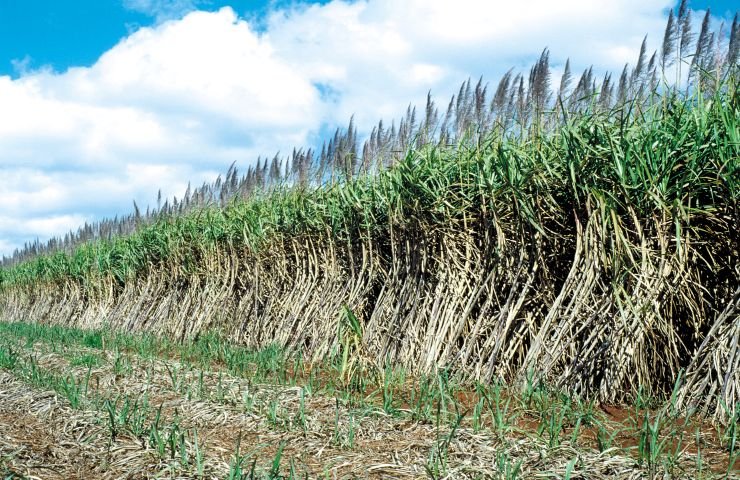
Pakistan’s sugarcane production recorded a modest increase during 2025–26, driven by a higher cultivated area that offset yield declines and production shortfalls in key regions, according to an official document available with Wealth Pakistan.

The document shows that the total area under sugarcane cultivation reached 1.21 million hectares — up 1.7 percent from 1.19 million hectares in the previous year. Overall production was provisionally estimated at 84.74 million tons compared to 84.24 million tons in 2024–25, reflecting a slight increase of 0.6 percent.

However, the average yield fell by 1.1 percent to 69.81 tons per hectare from last year’s 70.61 tons, underscoring persistent productivity challenges despite the area expansion.


Sugarcane remains key cash crop

Sugarcane continues to be a high-value cash crop for Pakistan and a critical raw material for the sugar and allied industries — the country’s second-largest agro-based sector after textiles. The crop plays a major role in rural employment and in supplying feedstock for sugar, ethanol, and other by-products vital to the economy.


Punjab drives modest national growth

Punjab, the country’s largest sugarcane-producing province, expanded its cultivation area by 4.8 percent to 856,000 hectares in 2025–26. As a result, sugarcane production in Punjab increased 2.7 percent to 61.73 million tons from 60.11 million tons a year earlier.

Despite the production gain, Punjab’s yield declined by 2.0 percent, dropping from 73.6 to 72.1 tons per hectare. Officials attribute the fall to uneven rainfall patterns and rising input costs affecting farm productivity.


Sindh records decline despite better yields

Sindh, the second-largest producer, saw a contraction in both cultivated area and output. The province’s sugarcane area decreased by 6.2 percent to 267,700 hectares, while production dropped 5.6 percent to 18.13 million tons from 19.21 million tons.

Interestingly, Sindh’s yield improved slightly by 0.6 percent to 67.7 tons per hectare, suggesting improved farm efficiency and irrigation management despite reduced acreage.


Mixed performance in other provinces

Khyber Pakhtunkhwa reported a marginal 0.8 percent reduction in the area under cultivation to 89,300 hectares from 90,000 last year. However, production held steady at around 4.8 million tons, with the yield remaining unchanged at 54.1 tons per hectare.

Balochistan, though a minor contributor to the national total, showed encouraging signs. Its cultivated area rose 14.3 percent to 800 hectares, while production increased by 6.9 percent to 38,900 tons from 36,400 tons a year earlier.


Targets exceeded at national level

The Federal Committee on Agriculture (FCA) had set a national sugarcane cultivation target of 1.146 million hectares for 2025–26. According to provisional data, the actual area reached 1.213 million hectares — 5.9 percent higher than the target.

Production also exceeded expectations, reaching 84.74 million tons against the target of 80.32 million tons — a surplus of 5.5 percent. The national output thus rose by 0.6 percent compared to the previous year.

Punjab significantly outperformed its provincial targets, recording 12.5 percent growth in area and a corresponding rise in output. In contrast, Sindh and Khyber Pakhtunkhwa failed to meet their cultivation and production goals. Sindh lagged by 7.7 percent in area and 9.1 percent in production, while KP recorded shortfalls of 6.0 and 7.0 percent, respectively.

Balochistan exceeded its area target by 14.3 percent but fell short of its production goal by 13.6 percent.

Yields below expectations

During the previous season (2024–25), Pakistan’s national sugarcane yield stood at 69.8 tons per hectare — slightly below the FCA target of 70 tons per hectare. The trend continued this year, indicating that while area expansion supports output stability, productivity remains a pressing concern.

Experts note that improved access to high-yield seed varieties, better irrigation efficiency, and modern farming techniques are essential to reverse the decline in per-hectare productivity and ensure sustainable growth in the sugar sector.

Pakistan braces for Rabi sowing as drier winter looms despite strong monsoon base

0

ISLAMABAD, Oct 28 (Wealth Pakistan) – Pakistan is preparing to sow its key Rabi (winter) crops for the 2025–26 season amid mixed conditions — healthy soil moisture from an above-average monsoon paired with forecasts of drier winter months ahead.

According to an official document available with Wealth Pakistan, the Rabi season will begin on a positive note with sufficient soil moisture for crops such as wheat, barley, and pulses. However, concerns are rising over expected below-normal rainfall in several parts of the country between October and December.


Favourable soil moisture but drier outlook ahead

The report noted that this year’s strong monsoon rainfall had left “reasonable soil moisture” across most agricultural regions, supporting early sowing. However, it warned that the upcoming months could bring soil moisture stress in upper rainfed and hilly areas due to an expected decline in precipitation.

Meteorological projections for October–December 2025 show normal to below-normal rainfall in most parts of the country. Punjab is likely to experience normal to slightly below-normal precipitation, although October may bring near-normal or slightly above-normal rains.

Sindh, meanwhile, is forecast to receive normal to slightly above-normal rainfall, while Balochistan may record near to slightly below-normal levels. Khyber Pakhtunkhwa, Gilgit-Baltistan, and Azad Jammu and Kashmir are expected to see the most significant shortfall, with mostly below-normal rains predicted during the three-month period.


Irrigation water sufficient but careful use urged

Despite the possibility of a drier spell in northern regions, the report projects adequate irrigation water availability nationwide during the Rabi season. Still, it urged careful water management, particularly in southern Pakistan, where drier conditions could challenge farmers.

The document also indicated that above-normal temperatures are expected across much of the country, particularly in upper Khyber Pakhtunkhwa, Gilgit-Baltistan, and AJK. Central and southern plains of Punjab, Sindh, and adjoining Balochistan are likely to experience near-normal conditions.

Mean temperatures during September remained around one degree Celsius above normal across all provinces, marking a continuation of the warming trend observed in recent months.


Monsoon performance boosts Rabi potential

Between July and September 2025, Pakistan received 24.5 percent more rainfall than the long-term average, setting a favourable stage for the Rabi season. Punjab led all provinces with 36 percent above-normal rainfall, followed by Sindh, Balochistan, Khyber Pakhtunkhwa, AJK, and Gilgit-Baltistan.

During the first 23 days of September alone, the country saw rainfall 70 percent above normal, with Sindh experiencing the highest surplus, followed by Punjab and Balochistan. However, KP, AJK, and GB recorded below-average rains during the same period.

Experts say this strong monsoon base will benefit early sowing, particularly in irrigated zones, but continued vigilance is necessary as climate variability may still impact late-season crops.


Steady improvement in irrigation releases

The document shows steady growth in irrigation water releases to the provinces during recent Rabi seasons. Total releases rose from 27.423 million-acre feet (MAF) in 2022–23 to 29.374 MAF in 2023–24 and 30.592 MAF in 2024–25.

However, water supply during the Kharif seasons showed sharper fluctuations. Releases stood at 65.082 MAF in 2022, dropped to 43.268 MAF in 2023, and rebounded to 61.851 MAF in 2024, reflecting changing rainfall patterns and inflows in major reservoirs.

Water experts note that sustained coordination among federal and provincial irrigation bodies will be essential to ensure efficient water distribution as Rabi sowing intensifies.


Outlook: cautious optimism for Rabi season

Officials and analysts remain cautiously optimistic. Strong soil moisture and improved irrigation reserves offer a good foundation for sowing, but reduced rainfall could affect crop performance in rainfed areas if dry conditions persist.

With wheat — Pakistan’s main Rabi crop — crucial for food security, authorities are expected to closely monitor precipitation, temperature, and water distribution trends to safeguard yields and ensure timely support for farmers.

National Clean Air Policy poised to drive 2.77% annual GDP growth

0

ISLAMABAD, Oct 28 (Wealth Pakistan) – The effective implementation of Pakistan’s National Clean Air Policy (NCAP) is projected to raise the country’s GDP by 2.77 percent annually, contributing an estimated $480 billion to the national economy over the next two decades.

According to official documents available with Wealth Pakistan, the NCAP aims to address the country’s air quality crisis and reduce the economic and health costs of pollution through a comprehensive multi-sector strategy.


Economic and health benefits of cleaner air

The policy’s implementation is expected to yield an annual health benefit of $24.56 billion by reducing air-related diseases and premature deaths. With an annual GDP growth rate of 2 percent, NCAP interventions could lower the number of pollution-related deaths by about 129,500 each year.

Cleaner air will also boost agricultural productivity. By curbing ozone pollution and improving air quality, Pakistan could achieve additional economic gains of $2.79 billion annually in avoided crop losses. The report notes that ozone pollution poses a serious threat to national food security, especially by reducing wheat production — a key staple in the country’s diet.


Strengthening institutions and cross-border cooperation

The NCAP also seeks to improve governance, coordination, and institutional capacity across federal and provincial levels. It will establish mechanisms to monitor and enforce air quality standards nationwide, ensuring accountability and compliance.

Officials said the policy gives Pakistan a strategic advantage in tackling cross-border air pollution. Strengthened regional cooperation on air quality management will help the country align with international environmental standards and agreements.


Focus on five priority sectors

The NCAP identifies one high-impact intervention in each of five major sectors: transport, industry, agriculture, waste, and households. These sectors contribute the largest share of air pollutants in Pakistan.

Under the plan, the government will enforce Euro-5 and Euro-6 fuel standards for vehicles, introduce emissions limits for industries, curb the burning of agricultural residues, and ban open burning of municipal solid waste. In households, the policy promotes the adoption of low-emission cooking technologies to improve indoor air quality.

Full implementation of these measures could reduce particulate matter (PM2.5) levels — harmful fine dust particles — by as much as 38 percent by 2030, the documents reveal.


Policy targets aligned with WHO standards

The NCAP’s targets are aligned with the World Health Organisation’s (WHO) Air Quality Guidelines 2021, which emphasize pollutants with the greatest health impacts from both short- and long-term exposure. The guidelines provide a framework for tracking national progress and ensuring that air quality improvements are measurable and verifiable.

Regular progress reviews and data-driven reporting will be key components of the policy, helping policymakers adjust interventions based on performance outcomes.


Cleaner air to reshape urban development

Senator Sherry Rehman, Chairperson of the Senate Standing Committee on Climate Change and former federal minister for climate change, told Wealth Pakistan that NCAP implementation would transform Pakistan’s urban landscape and strengthen environmental governance.

“Cleaner air will make cities healthier, attract investment, and enhance the overall quality of life,” she said. “Urban centres, in particular, will experience fewer smog-related disruptions, lower hospital admissions, and higher productivity.”

She emphasized that strict enforcement and public participation are essential to ensure success. Awareness campaigns, she added, must encourage citizens and industries to adopt sustainable practices.


Green growth and job creation

Rehman further noted that the policy will promote green technology and job creation across several sectors. “As Pakistan transitions towards cleaner transport, better waste management, and energy-efficient systems, thousands of new employment opportunities will emerge in renewable energy, manufacturing, and environmental monitoring,” she said.

Experts believe the NCAP could become a cornerstone of Pakistan’s green economic strategy, helping the country balance development goals with environmental sustainability. With the right enforcement and coordination, Pakistan can turn its air quality challenge into an opportunity for inclusive, long-term growth.

Policy stability, PPPs seen as key to solving Pakistan’s housing and infrastructure woes

0

ISLAMABAD, Oct 28 (Wealth Pakistan) – Policy stability, efficient approvals, and strong public-private partnerships (PPPs) are crucial for addressing Pakistan’s housing and infrastructure challenges. Industry experts believe these measures can unlock significant investment, spur economic growth, and expand affordable housing options nationwide.

Policy predictability to attract investment

Mohammed Hassan Bakshi, Chairman of the Association of Builders and Developers of Pakistan (ABAD), told Wealth Pakistan that the construction and real estate sector is at a defining moment. The country faces a deepening housing shortage amid economic instability but also holds vast potential for growth and innovation.

Bakshi said Pakistan’s housing deficit—now exceeding 10 million units—has become a serious social and economic concern. The shortage disproportionately impacts low- and middle-income families, many of whom struggle to find affordable, quality housing. He urged policymakers to recognize housing as a national development priority and to implement sustained, actionable reforms.

He emphasized that stable, long-term tax policies are essential for attracting both domestic and foreign investment. “Frequent policy reversals and inconsistent taxation discourage investors and complicate project planning,” Bakshi noted. Predictable and construction-friendly tax measures, such as reduced duties on raw materials and uniform fiscal frameworks, could build investor confidence and strengthen allied industries.

Streamlining approvals through a one-window system

Bakshi called for introducing a “one-window” approval system to remove bureaucratic hurdles that slow development. Lengthy procedures and overlapping departmental clearances, he said, cause costly delays and discourage private participation.

“A centralized and transparent mechanism for construction approvals can cut red tape, encourage investors, and ensure faster project execution,” he explained. Simplified regulations would also support the government’s broader vision of expanding housing access and accelerating infrastructure delivery.

Fiscal stability and incentives for growth

The ABAD chairman reiterated that a construction-friendly fiscal environment is vital for sustained growth. High and erratic taxation creates uncertainty and prevents investors from committing to long-term projects.

He proposed targeted tax incentives for developers, lower import duties on essential materials, and stable fiscal frameworks to stimulate economic activity and employment. These steps, he said, would benefit both the construction supply chain and Pakistan’s broader economy.

PPPs as a strategic development model

Bakshi strongly advocated for public-private partnerships as a tool to meet Pakistan’s massive infrastructure needs. “The public sector alone cannot shoulder the burden of expanding housing and infrastructure,” he said. “PPPs allow the private sector to bring efficiency and financing, while the government provides enabling policies, land, and guarantees.”

He noted that well-structured PPPs could mobilize billions in investment and catalyze large-scale urban transformation. Global examples show that PPPs can accelerate delivery, ensure better project management, and reduce fiscal pressure on governments.

Building a sustainable future

Bakshi emphasized that unlocking the construction sector’s potential will require coordination between government and private stakeholders. Long-term policy consistency, transparent governance, and sustainability-focused reforms can turn the sector into a major engine of growth.

“With strategic reforms, inclusive planning, and modernization, Pakistan’s construction industry can build not only homes but also a stronger, more resilient economy,” he said. “A thriving housing and infrastructure sector will enhance livelihoods, generate jobs, and drive national progress.”

SBP keeps policy rate unchanged at 11%

0

ISLAMABAD, Oct 27 (Wealth Pakistan) – The State Bank of Pakistan’s Monetary Policy Committee (MPC) decided on Monday to keep the policy rate unchanged at 11 percent, stating that the current stance is appropriate to maintain price stability while supporting Pakistan’s economic recovery.

Inflation and growth trends

In its latest monetary policy statement, the MPC said headline inflation increased to 5.6 percent in September 2025 from 3 percent in August, mainly due to flood-related food supply disruptions and higher energy prices. Core inflation remained steady at 7.3 percent, suggesting that underlying demand pressures were contained.

The Committee noted that the overall macroeconomic outlook had improved since its previous meeting, as the economic impact of recent floods was smaller than initially expected. Crop losses were limited, supply chains stayed functional, and industrial and services sectors continued to show momentum.

According to the MPC, the Pakistan Bureau of Statistics (PBS) revised real GDP growth for FY2025 upward to 3 percent from 2.7 percent. Major Kharif-crop estimates were close to last year’s levels, supported by favorable weather and stable input conditions.

Risks and policy rationale

Despite positive developments, the MPC identified several risks that require caution, including volatile global commodity prices, uncertain export prospects, and potential food-supply disruptions.

Given these conditions, the MPC said maintaining the policy rate at 11 percent would allow previous monetary easing to continue filtering through the economy while keeping real interest rates positive within the 5–7 percent medium-term inflation target. “The decision strikes a balance between supporting growth and keeping inflation expectations anchored,” the statement noted.

Key economic developments

The MPC highlighted several encouraging developments since its last review. These included the IMF staff-level agreement on the Extended Fund Facility (EFF) and the Resilience and Sustainability Facility (RSF), continued buildup in foreign-exchange reserves despite a 500 million dollar Eurobond repayment, and easing inflation expectations among consumers and businesses based on SBP-IBA sentiment surveys.

The Committee emphasized that a sustainable recovery depends on coordinated fiscal and monetary policies to absorb shocks without triggering inflation or external pressure.

Real-sector and external indicators

On the real-sector side, large-scale manufacturing expanded 4.4 percent during July–August FY2026 compared with a contraction a year earlier. Strong growth in automobiles, cement, fertilizer, and petroleum products, coupled with rising private-sector credit and improved confidence, signaled a broad industrial rebound.

The MPC projected GDP growth for FY2026 in the upper half of the earlier 3.25–4.25 percent range.

External-sector indicators remained stable. The current account recorded a surplus of 110 million dollars in September 2025, containing the Q1 FY2026 deficit to 594 million dollars. While imports rose alongside stronger economic activity, exports and remittances stayed resilient, keeping the external gap manageable.

Foreign-exchange reserves increased to 14.5 billion dollars by October 17 and were projected to rise to 15.5 billion dollars by December and 17.8 billion dollars by June 2026.

Inflation outlook and policy coordination

The MPC said the recent inflation upturn was milder than in earlier flood periods, as wheat, sugar, and perishable prices rose more slowly. Inflation is expected to stay slightly above the upper target band for a few months before easing toward target in FY2027. The outlook depends on global commodity trends, domestic energy pricing, and food-supply dynamics.

The Committee reaffirmed that fiscal discipline, effective management of external inflows, and continued structural reforms are essential to sustain disinflation and balanced growth. It concluded that the current real policy rate remains sufficiently positive to keep inflation stable within the target range over the medium term.

Pakistan records primary surplus of Rs2.9 trillion in FY26 Q1

0

ISLAMABAD, Oct 27 (Wealth Pakistan) – Pakistan recorded a strong primary surplus of Rs2.9 trillion during the first quarter of FY2026, reflecting improved fiscal discipline, higher revenues, and effective financial management in line with IMF program targets.

Strong fiscal performance

According to the Finance Division’s Monthly Economic Update & Outlook (October 2025), total government revenues increased significantly, driven by strong tax and non-tax inflows, while expenditures remained within budgeted limits.

The report said the government’s fiscal consolidation efforts, combined with higher receipts from petroleum levies and State Bank of Pakistan (SBP) profit transfers, strengthened fiscal indicators. The primary balance posted a surplus of Rs2,938.9 billion during July–August FY2026 compared with Rs49.4 billion in the same period last year.

Surplus replaces deficit

The overall fiscal balance recorded a surplus of Rs1,509.2 billion, reversing a deficit of Rs648.8 billion from the corresponding quarter of FY2025. This improvement was attributed to robust revenue growth, restrained spending, and efficient cash management.

Federal Board of Revenue (FBR) collections reached Rs2,884.4 billion during July–September FY2026, marking a 12.5 percent increase over last year. Non-tax revenues rose sharply, led by SBP profits, dividends, defense receipts, petroleum levies, and the Gas Infrastructure Development Cess.

Fiscal discipline and IMF alignment

The Finance Division said this performance reflected better governance, enhanced revenue administration, and a continued commitment to prudent fiscal management under the IMF program. Improved fiscal control also reduced reliance on domestic borrowing, freeing liquidity for the private sector and credit expansion.

Economists said maintaining a primary surplus for consecutive quarters would strengthen Pakistan’s fiscal sustainability and reduce the debt-to-GDP ratio. They noted that the development marks a significant step toward long-term fiscal health and international credibility.

Expenditure management and reform focus

The report cautioned that sustaining this momentum would require careful spending prioritization, continued tax reforms, and targeted subsidy rationalization. Fiscal authorities were advised to avoid populist measures and focus on development projects with high economic impact.

The Finance Division said fiscal sustainability was supported by improved external indicators, including stable foreign-exchange reserves and a contained current account deficit. It added that post-flood rehabilitation expenditures were being managed within the approved budget, avoiding unplanned deficits.

Coordination and future outlook

According to the report, fiscal coordination with provincial governments has improved, contributing to better overall balance management. Progress on privatization, state-owned enterprise reforms, and digital governance is also expected to strengthen fiscal space and long-term stability.

With improved fiscal and external indicators, the Finance Division said Pakistan’s economic outlook for FY2026 remains positive. It projected that strong revenue growth, fiscal discipline, and prudent expenditure policies would continue to anchor macroeconomic stability and investor confidence.

Pakistan poised to benefit from lower global inflation, but faces export risks

0

ISLAMABAD, Oct 27 (Wealth Pakistan) – Pakistan’s economic outlook stands to gain from easing global inflation and declining commodity prices, though weaker external demand and elevated global interest rates may challenge export growth and foreign investment, according to the Finance Division’s Monthly Economic Update & Outlook (October 2025).

Global trends and economic outlook

The report said that declining international energy and food prices are likely to ease Pakistan’s import bill, stabilize inflation, and strengthen the external account. However, slower global growth—projected at 3.2 percent for 2025 and 3.1 percent for 2026—may limit export expansion, especially in textiles and manufactured goods.

The global economy continues to recover unevenly. Advanced economies are expected to grow modestly by 1.6 percent, while emerging markets maintain stronger momentum led by Asia. China’s economy is projected to expand by 4.8 percent in 2025 and 4.2 percent in 2026, India by 6.3 percent, and the United States by around 2 percent.

For Pakistan, this scenario presents both opportunities and risks. Reduced imported inflation will support monetary stability and improve household purchasing power. Yet, softening demand in key export markets such as the European Union, the United States, and the United Kingdom could weigh on external earnings.

Commodity and energy price movements

“The moderation in energy and commodity prices will ease pressure on the current account and support domestic price stability,” the Finance Division noted. “However, the pace of export recovery will depend on global consumption patterns and trade policy dynamics.”

Economists said that stabilization in global oil prices, along with falling freight rates, would provide Pakistan a fiscal and external cushion. A Karachi-based economist noted that steady oil markets and lower logistics costs could significantly reduce import expenses.

The report showed that metal prices rose 2.9 percent in September, while agricultural commodities declined 1.3 percent due to better global supplies. Energy prices dropped 0.5 percent, a positive sign for Pakistan, where energy imports make up more than a quarter of total imports.

Financial implications and risks

The Finance Division added that lower global inflation could help reduce external borrowing costs for developing countries. As inflation eases in major economies, interest rates are likely to stabilize, improving financing access for emerging markets.

However, risks persist due to geopolitical tensions, climate-related shocks, and restrictive trade policies. Elevated public debt levels in advanced economies, particularly in the United States and Europe, may sustain tighter financial conditions, limiting capital flows to developing nations.

“The risk of renewed volatility in commodity and energy markets remains significant,” the Finance Division warned. “Supply-chain disruptions linked to conflicts or climate events could trigger new inflationary waves.”

Remittances and domestic stability

Despite external challenges, global remittance flows are expected to grow 2.4 percent in 2025, driven by strong labor demand in Gulf Cooperation Council (GCC) countries and recovering European economies. This will support Pakistan’s remittance growth, which reached 9.5 billion dollars in the first quarter of FY2026.

Economists said sustained overseas employment would continue to stabilize Pakistan’s external position. They added that remittances serve as a buffer against trade imbalances and strengthen household consumption.

Policy direction and reform priorities

Inflation in advanced economies has declined from 6.9 percent in 2023 to 4.2 percent in 2025 and is projected to fall further to 3.7 percent in 2026. This global moderation, the report said, will aid Pakistan’s disinflation efforts as stable commodity prices filter into domestic markets.

Even so, slower global trade growth could constrain Pakistan’s export performance. The Finance Division emphasized that diversifying export markets and investing in value-added industries are essential to sustaining growth.

It added that maintaining fiscal prudence, structural reforms, and policy continuity would allow Pakistan to benefit from global price stability. “This phase of global moderation presents an opportunity for Pakistan to consolidate macroeconomic stability and strengthen resilience against external shocks,” the report concluded.

The Finance Division underscored that effective exchange-rate management, trade competitiveness, and prudent external financing will be critical to turning global economic stability into lasting domestic gains.

Pakistan accelerates privatization, digital governance, and CPEC Phase-II reforms

0

ISLAMABAD, Oct 27 (Wealth Pakistan) – Pakistan has accelerated its economic modernization agenda through a wide-ranging reform program focused on privatization, digital governance, and industrial cooperation under the second phase of the China-Pakistan Economic Corridor (CPEC), according to the Finance Division’s Monthly Economic Update & Outlook (October 2025).

Reform momentum and investor confidence

The report said that steady progress in structural reforms has strengthened Pakistan’s global standing, reflected in improved credit ratings and investor sentiment. The government’s reform momentum, backed by the IMF Staff-Level Agreement under the Extended Fund Facility (EFF) and Resilience and Sustainability Facility (RSF), is now translating into institutional improvements promoting fiscal discipline and transparency.

The Finance Division emphasized that privatization remains central to fiscal consolidation. The plan seeks to reduce the burden of loss-making state-owned enterprises (SOEs) while encouraging private-sector investment in energy, aviation, and industrial sectors. Several entities have reached the transaction preparation stage, with key cases under review for strategic partnership models.

Privatization and digital governance

Privatization, the report added, is being closely aligned with the national digital governance framework to ensure transparency and public participation. The digitalization of financial and administrative systems across ministries is enabling real-time fiscal monitoring and faster decision-making.

The government has expanded its e-governance drive through initiatives such as Pakistan Single Window (PSW), WeBOC 2.0, and the National Digital Payment Gateway. These systems aim to improve tax collection, streamline trade processes, and enhance the ease of doing business. The rollout of paperless customs and public procurement systems is also expected to reduce leakages and corruption.

Advancing CPEC Phase-II

CPEC’s second phase has entered a more mature stage centered on industrial cooperation, technology transfer, and joint ventures. Projects in development include new special economic zones, renewable energy parks, and digital infrastructure corridors. The Finance Division said the government remains committed to transforming CPEC into a model for sustainable and inclusive growth.

Economists said that the combination of privatization and digital governance reforms could mark a turning point for Pakistan’s economic structure. They noted that privatization helps limit fiscal risk, while CPEC’s industrial linkages can create lasting productivity and export gains.

Improved financial and investment outlook

The report said these reforms have already improved foreign investor sentiment. Credit default swap (CDS) spreads have narrowed by over 2,200 basis points in 15 months, while Pakistan’s Sustainable Financing Framework received an “Excellent” alignment score from Sustainable Fitch for compliance with global standards in green and social finance.

Analysts said that improved debt sustainability, coupled with rising investment inflows, would reinforce Pakistan’s external resilience. They added that consistent reform implementation could support a stable growth phase led by diversified exports and efficient public institutions.

Focus on long-term transformation

The Finance Division concluded that digital transformation, transparency, and institutional reform remain the backbone of Pakistan’s economic renewal strategy. It stressed that the success of these efforts depends on ensuring that fiscal and governance improvements deliver measurable social and economic outcomes.